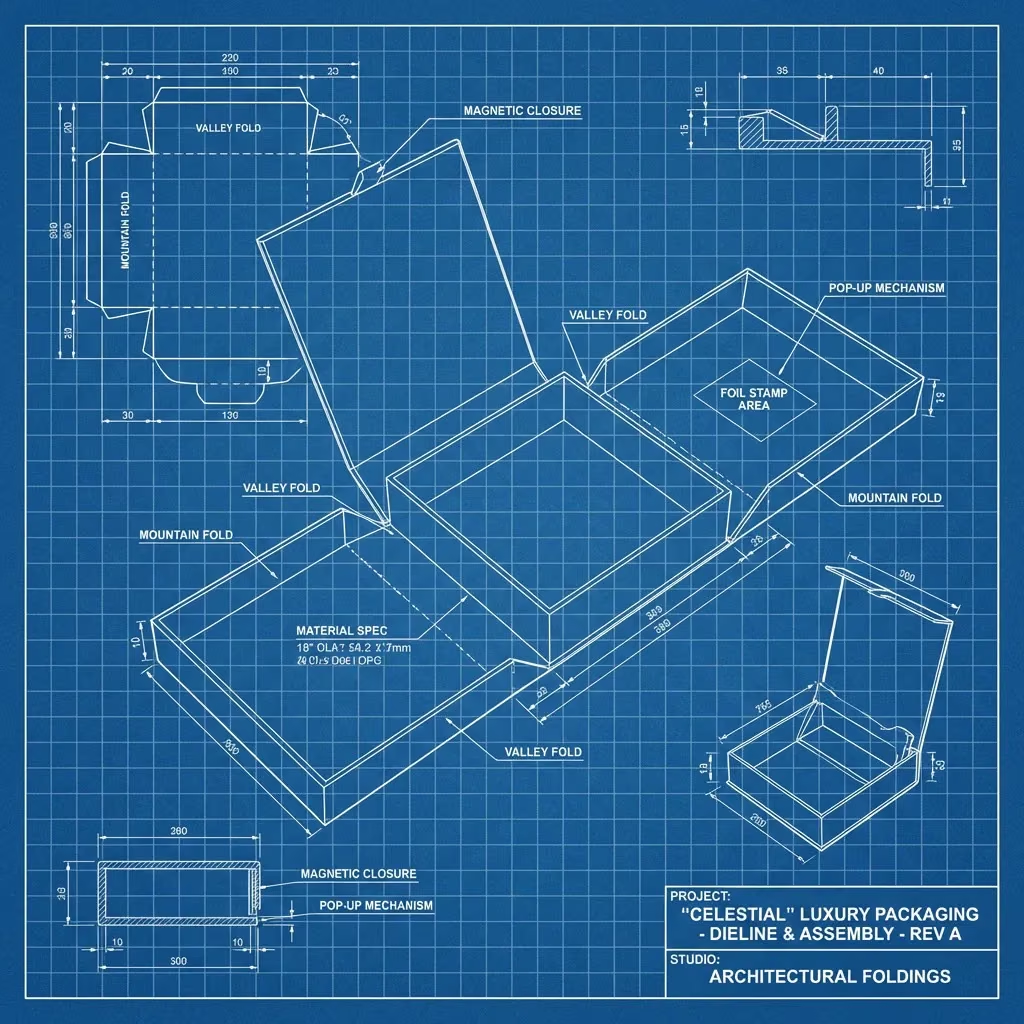
Case boundary
This is a process case, not a fictional customer result.
The example below shows the evidence chain a buyer can use for a custom box, insert, bag, or label project. It does not identify a customer or claim a fixed order quantity, price, saving, production time, certification, test result, or performance outcome. Those facts belong to a specific project file.
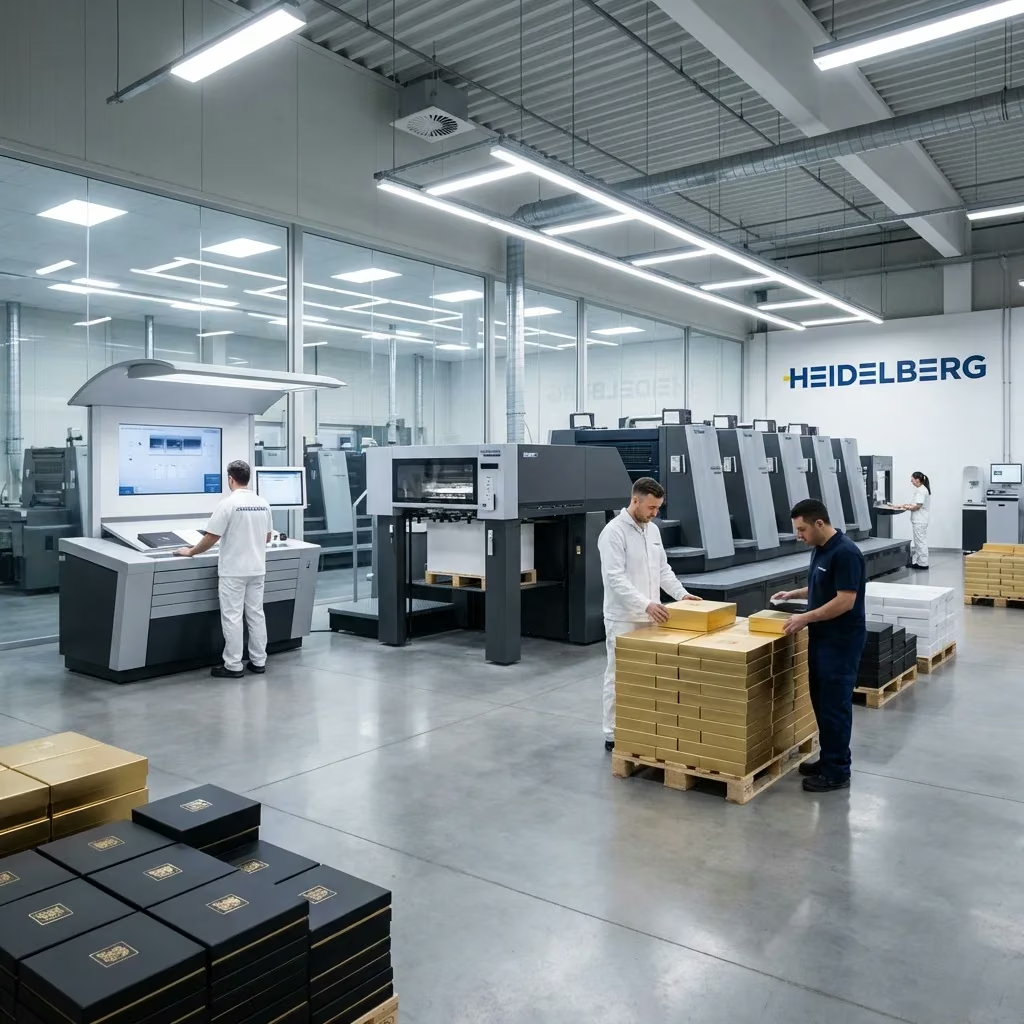
Evidence rule: a photograph can show appearance or a production stage; it cannot by itself prove material grade, tolerance, adhesive performance, transit protection, regulatory status, or shipment conformity.
1 · The project record
Every gate answers one buyer question.
Keep the buyer decision beside the evidence that supports it. This is the difference between a project history and a gallery of attractive images.
水平滚动以查看所有列 {}
| 门 | What is defined | 保留的证据 | 决定 |
|---|---|---|---|
| Brief | Product, dimensions, weight, use, opening, protection, brand references, destination, quantity, and target date. | Brief revision, product reference, photos or drawings, and unanswered questions. | Is the request complete enough to discuss structure? |
| 结构 | Inside and outside dimensions, board or material build, insert, closure, assembly, and artwork zones. | Supplier dieline, construction notes, version matrix, and quote assumptions. | Can the proposed build be sampled? |
| 样本 | Representative production route, materials, finish, fit, function, copy, and open revisions. | Sample photos, measured checks, approval record, revision, and courier handoff. | Does the physical sample represent the intended approval? |
| 生产 | Released artwork, materials, tools, process checkpoints, packing, and inspection plan. | First article, in-process, final, carton, defect, correction, and release records. | Can the lot be accepted or contained? |
| Shipment | Released quantities, cartons, marks, dimensions, weight, documents, and receiving handoff. | Packing photos, carton list, dispatch evidence, and final delivery references. | Can the receiving team reconcile the delivery? |
2 · What changed at each gate
Good development records explain the revision, not only the final object.
- Brief to structureTranslate the product's actual size, weight, handling, opening, and protection need into a named construction and internal clearance.
- Structure to sampleMove from concept geometry to a supplier dieline and representative material build. Keep the concept image separate from the production reference.
- Sample to releaseCheck dimensions, fit, appearance, finish, function, copy, packing, and open points before the approved revision is released.
- Release to shipmentConnect the inspection disposition to cartons, quantity, marks, packing data, and the handoff owner.
使用该 quality inspection checklist when the sample becomes a production reference.
3 · A reusable review sequence
Ask the same five questions before moving forward.
If a question cannot be answered from the project file, keep the gate open and name the owner for the next record.
- 01
What is the approved object?
Identify the product, packaging configuration, revision, dimensions, material build, artwork, finish, insert, and exceptions.
- 02
What can be checked physically?
Define the fit, closure, removal, print, color, finish, protection, packing, and any application-specific observations.
- 03
What evidence is still missing?
List material documents, tests, certificates, inspection records, carton data, destination review, or approvals that are not yet available.
- 04
Who owns the decision?
Name the buyer, supplier, quality, artwork, logistics, or regulatory owner who may approve, revise, hold, or release the next step.
- 05
What is the next dated handoff?
Record the trigger, output, owner, and date for sampling, approval, production, inspection, packing, freight, or delivery.
买方问题
Packaging development case FAQ.
Use this case as a method reference. Your product, market, contract, and acceptance criteria still control the project.