Lock use and geometry
Confirm product and pack dimensions, contact conditions, flat sheet size, artwork direction, wrapping sequence, overlaps, tucks, folds, and sheets per product.
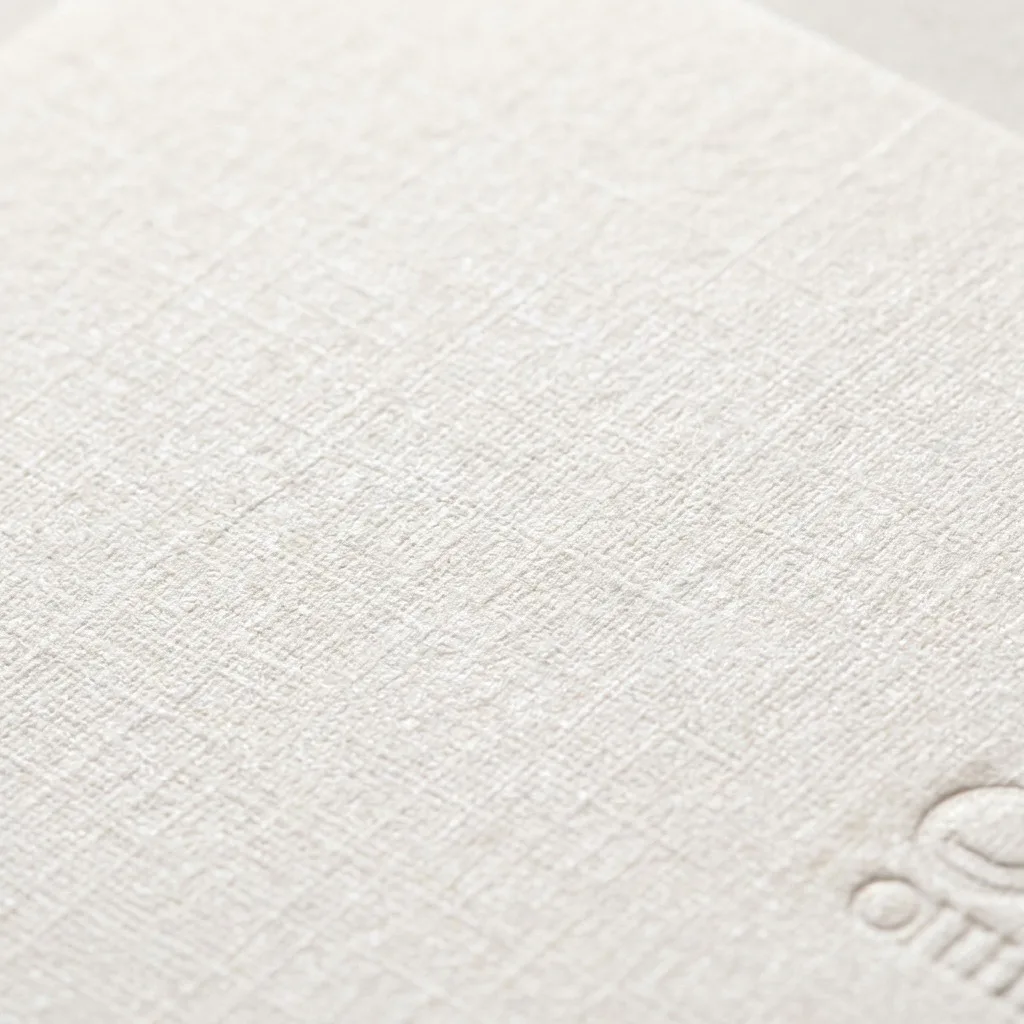
Branded inner wrapping
Define the project-specific basis and opacity, flat sheet, folding sequence, print coverage, color, show-through, offset risk, pack-out, and coordination with the complete packaging set.
Sheet construction
The desired reveal depends on the actual product, sheet color, number of layers, artwork, lighting, and wrap. A basis-weight value by itself does not define opacity, softness, sound, drape, or tear behavior.
Scroll horizontally to view all columns →
| Decision | Information to provide | What to verify |
|---|---|---|
| Product + use | Product material, dimensions, color, surface sensitivity, edges, weight, number of items, direct or indirect contact, and intended unboxing sequence. | Coverage, snag or tear points, abrasion, color transfer concerns, number of layers, product visibility, and whether any market-specific use requirement applies. |
| Basis-weight direction | Requested basis-weight target or sample reference, acceptable project range if agreed, handling preference, wrap method, and print coverage. | Drape, bulk, folding, spring-back, tearing, sound, machine or hand packing behavior, and consistency with the approved physical sample. |
| Opacity target | Desired reveal, product and box colors, number of tissue layers, base-sheet shade, viewing conditions, and whether printed areas may show through. | Physical samples placed over the representative product and inner packaging under agreed lighting, both flat and in the finished wrap. |
| Base-sheet color | White, off-white, colored, or other direction; approved physical color reference; print colors; and coordination target for the box, bag, label, or ribbon. | Color under the chosen lighting, shade consistency, print interaction, show-through, edge appearance, and visual relationship after folding into multiple layers. |
| Surface + fiber brief | Desired smoothness, softness, translucency, tactile direction, fiber or recycled-content request if relevant, coatings or additives, and documentation needs. | Print response, dust or lint expectations, rub, fold behavior, surface feel, claim support, and suitability for the intended product and destination. |
| Approval reference | Released artwork, material and color sample, full-size printed sheet, wrapping mock-up, agreed conditioning method, packing standard, and revision control. | The approved construction, image coverage, color relationship, sheet geometry, folds, product presentation, bundle count, identification, and carton method. |
The paper texture shown on this page is a visual material reference, not a finished tissue-paper sample. Approve the exact project sheet in its printed, folded, and packed state before production release.
Estimate sheet demand and use the custom tissue paper printing checklist
Flat sheet and wrapping method
A sheet for lining a box, wrapping a product, interleaving components, or closing over the top follows a different geometry. Build a full-size mock-up and record the flat dimensions and fold sequence that produced it.
Scroll horizontally to view all columns →
| Wrap route | Geometry to document | Packing-line check |
|---|---|---|
| Full product wrap | Product width, length, height or circumference, seam or overlap, end tucks, closure if any, printed face, and artwork orientation after wrapping. | Coverage, fold bulk, exposed seams, opening sequence, print placement, product movement, and time or dexterity required for the intended workflow. |
| Box liner | Internal box length, width and depth, side rise, corner treatment, edge reveal, product or insert footprint, and whether tissue sits above or below an insert. | Corner bunching, interference with insert fit, surface marks, top-edge consistency, product loading, and the appearance when the lid opens. |
| Top fold or reveal | Internal opening, left and right flap width, overlap position, fold angle, sticker or seal location if used, and logo position when closed and opened. | Repeatable fold line, centered overlap, clean reveal, seal access, artwork direction, and clearance from the product or box closure. |
| Interleave or separator | Contact area, required overhang, number of sheets per set, sequence between components, surface sensitivity, and removal order. | Complete separation, sheet migration, snagging, ink or color transfer, missing layers, and ease of removal at unpacking. |
| Retail bag wrap | Bag opening and gusset, product stack, sheet presentation above the opening, tuck depth, number of sheets, printed face, and delivery to the retail counter. | Bag loading, consistent height and spread, print visibility, crushing in storage, handling at the counter, and coordination with the bag artwork. |
| Final flat sheet | Finished width and length, permitted directionality, artwork origin, step-and-repeat direction, fold marks if specified, and count per product or pack. | Dimensions from agreed datums, squareness, print orientation, trim, repeat location, fold outcome, and compatibility with the packer's work instructions. |
Allowances are determined by the actual wrap, sheet behavior, product, and packing method. Record the approved flat size from a working mock-up instead of applying a universal overlap or tuck allowance.
Print coverage, color, and offset risk
Ink is viewed through and against a thin base sheet, then multiplied where the tissue overlaps. Artwork that looks restrained on screen can become dense after folding, while heavy coverage can increase show-through, set-off, blocking, rub, and drying demands.
If the tissue will touch food, cosmetics, delicate finishes, textiles, or another regulated or sensitive product, identify the contact conditions and destination requirements before materials and inks are selected. Suitability must be reviewed for that exact use.
Show-through and transfer review
Show-through is a visual relationship among sheet, ink, product, layers, folds, and lighting. Offset is a transfer relationship influenced by ink, coverage, drying, pressure, temperature, humidity, storage, and contact time.
Scroll horizontally to view all columns →
| Condition | Potential concern | Physical check |
|---|---|---|
| Dark product under light tissue | Product color or graphics may dominate the sheet, alter the apparent ink color, or reduce the intended concealment. | Place one and the intended number of layers over the actual product and view flat, folded, and inside the final box under agreed lighting. |
| Dark or dense print | Reverse show-through, uneven visual density at overlaps, transfer to adjacent sheets, rub, and a heavier hand feel in printed areas. | Compare representative coverage patterns on the selected sheet, then fold, stack, hold, separate, rub, and inspect both faces and contact surfaces. |
| Multiple folded layers | Ink and base color can build at overlaps, artwork can misalign at the reveal, and fold bulk can change closure or product fit. | Use the production-intent folding sequence and count; inspect the closed presentation, opening reveal, corners, seams, and clearance. |
| Long stacked storage | Pressure, heat, humidity, and time may change blocking, set-off, curl, odor, or ease of sheet separation. | Agree a representative packed holding condition, then inspect bundle separation, transfer, flatness, appearance, and packing-line handling. |
| Contact with finished product | Ink, coating, fiber, dust, moisture, or abrasion may interact with a sensitive surface or transfer to the product. | Use representative product materials and the intended contact duration and environment; define acceptance with the buyer's product and compliance teams. |
| Mixed artwork or colors | Wrong sheets, cross-transfer, bundle confusion, mismatched counts, or incorrect presentation can enter a SKU kit. | Define separators, bundle identity, color or SKU reconciliation, mixed-pack rules, carton marks, and line-clearance checks. |

Box and bag coordination
Translucent tissue, coated box wrap, uncoated bag paper, ribbon, labels, and foil reflect and absorb light differently. The same nominal color value can produce visibly different results across those materials.
A coordinated packaging set can be more repeatable when the tissue is intentionally related to the box and bag rather than treated as an exact match across fundamentally different surfaces.
Folding and pack-out
The flat sheet size is only part of the supply format. Fold count, fold direction, printed face, bundle quantity, compression, protection, and carton orientation determine whether tissue can be received, separated, and applied consistently.
Ask the packer to trial a production-intent bundle. A fold that looks clean as a single hand sample may separate slowly, open in the wrong direction, or place the printed face incorrectly when supplied in bulk.

Sampling and quality control
Acceptance criteria should point to released artwork, a documented sheet construction, a full-size printed sample, the approved wrapping mock-up, fold map, bundle method, and agreed inspection approach.
Confirm product and pack dimensions, contact conditions, flat sheet size, artwork direction, wrapping sequence, overlaps, tucks, folds, and sheets per product.
Review basis-weight and opacity direction, base color, surface, print coverage, ink color, reverse appearance, trim, dimensions, folds, and presentation.
Wrap representative products, stack and bundle sheets, apply agreed pressure and conditions, then check show-through, offset, blocking, rub, curl, separation, and line handling.
Check against agreed criteria for material, color, print, dimensions, orientation, folds, sheet and bundle counts, design identity, protection, carton marks, and packing.
A digital proof can approve content, repeat, and general layout, but it cannot establish tissue opacity, drape, fold memory, reverse show-through, ink transfer, sheet separation, or the appearance of overlapping layers.
Recycling and material claims
End-of-life language is not a generic material adjective. Collection, sorting, local acceptance, sheet construction, inks, coatings, additives, contamination, and use can all change whether a claim is supportable.
Scroll horizontally to view all columns →
| Claim input | Question to document | Control before release |
|---|---|---|
| Exact construction | Which paper, fiber claim, recycled-content claim, colorants, inks, coatings, treatments, additives, adhesives, or seals are in the supplied sheet? | Keep supplier documentation tied to the approved material code and artwork revision; do not transfer evidence from a different tissue construction. |
| Destination | In which countries, regions, municipalities, or named recovery programs will the claim appear, and what rules or guidance apply there? | Review wording market by market with current local requirements and avoid implying universal collection or acceptance. |
| Use and contamination | Will the tissue contact food, cosmetics, oils, adhesives, glitter, product residue, or other materials that may affect collection or processing? | Describe disposal only for the intended use and identify exclusions or conditions when they are needed for an accurate claim. |
| Consumer action | Does the instruction require separation from a sticker, ribbon, tape, label, laminate, or another packaging component before disposal? | Make the instruction clear, feasible, and consistent with the physical pack and the local program being referenced. |
| Evidence and wording | What test, certification, supplier declaration, calculation, legal review, or program guidance supports the precise statement and any qualification? | Match the claim's scope to the evidence, retain the approval record, and recheck it when the material, artwork, market, or rule changes. |
“Paper,” “recycled,” and “recyclable” describe different attributes. None should be treated as proof of another, and local collection or acceptance should not be implied without destination-specific support.
Buyer questions
Final material, print, wrapping, packing, compliance, and production recommendations depend on the actual product, artwork, quantity, use, and destination requirements.
Quote custom tissue paper
Send the flat sheet size, quantity, product and pack dimensions, wrapping method, basis and opacity direction, base color, artwork and coverage, fold and bundle plan, delivery country, and target date. We will use those inputs to identify the next material, proof, and pack-out questions.