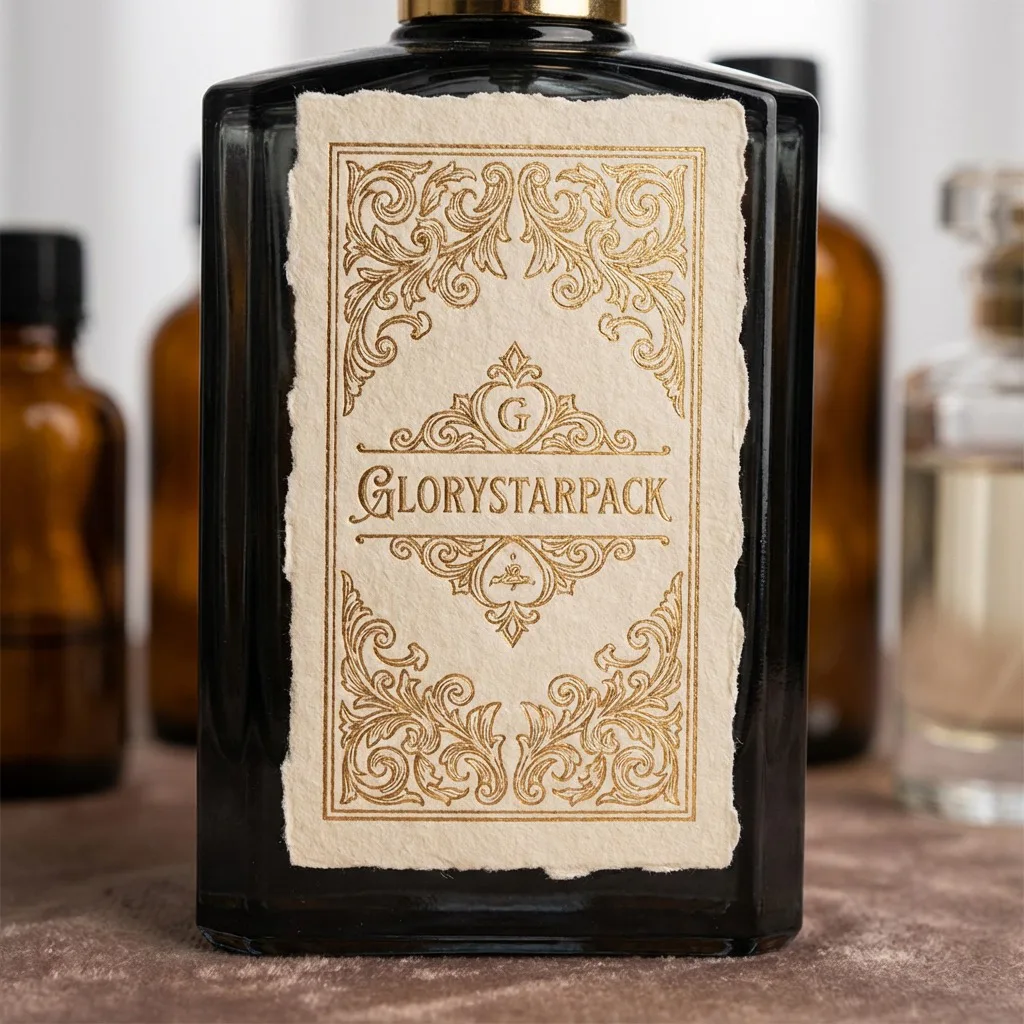
 LB–101
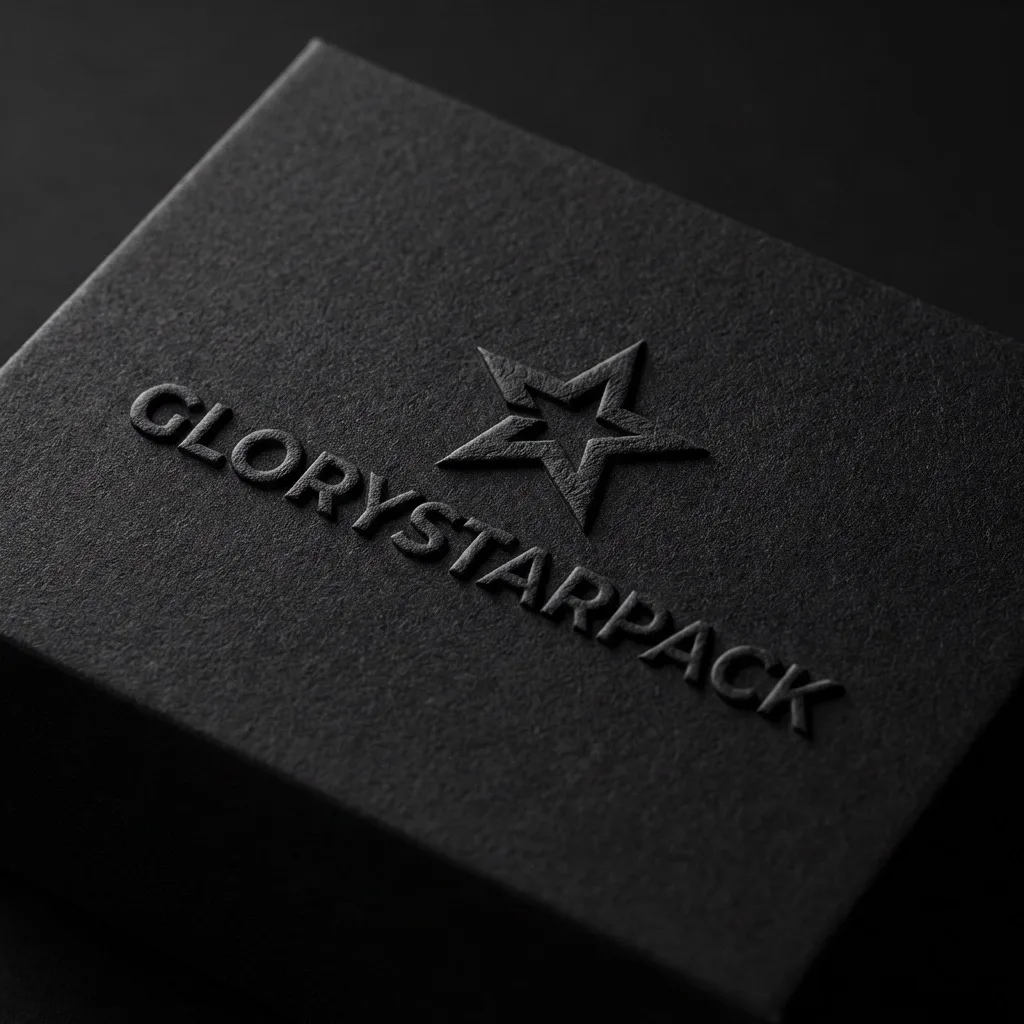
Textured paper labels
Uncoated, cotton, laid, and estate stocks for wine, spirits, food, and personal care.
- Natural grain
- Foil ready
- Wet-strength option
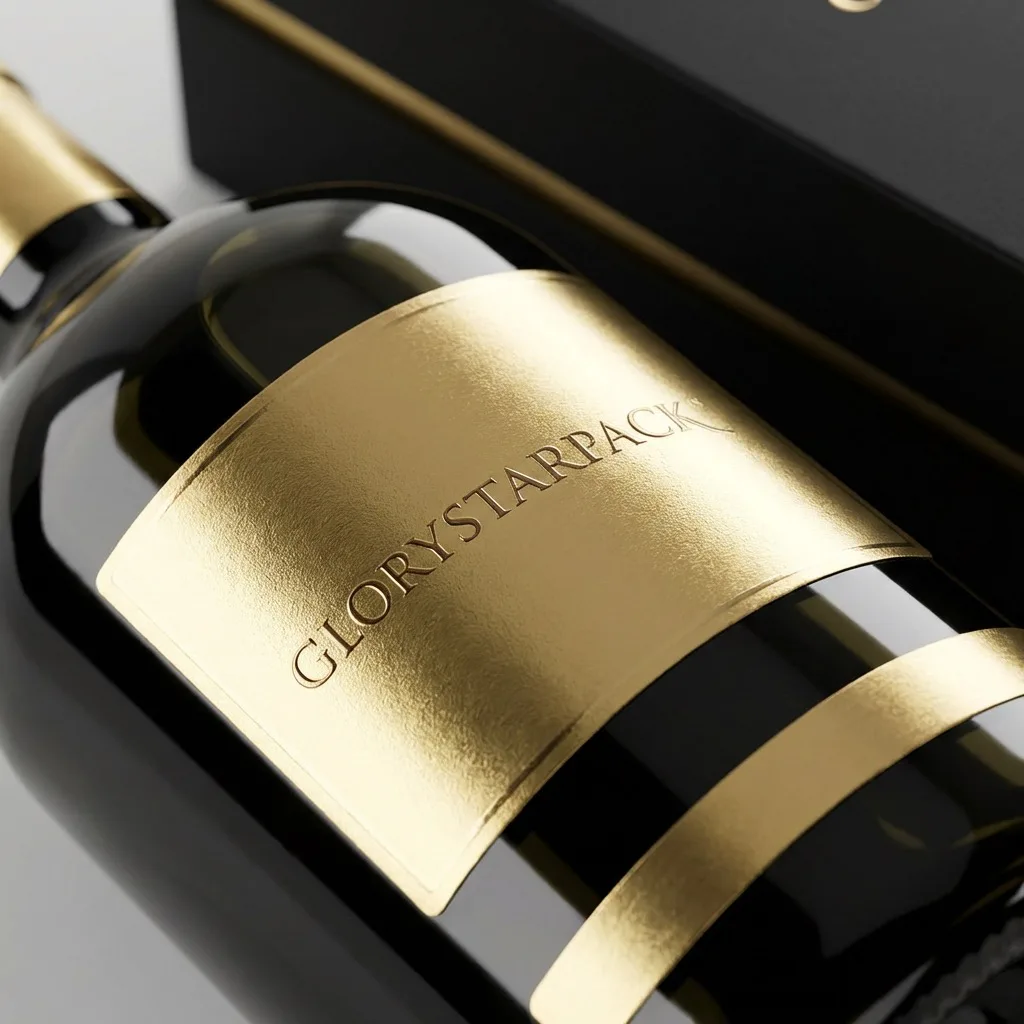
Surface, adhesive, application
Match the face stock, adhesive, print, and finish to the container, handling conditions, and shelf experience.
Label matrix
Bottle curvature, moisture, oil, cold storage, abrasion, and application equipment all affect the right material and adhesive.
LB–101Uncoated, cotton, laid, and estate stocks for wine, spirits, food, and personal care.
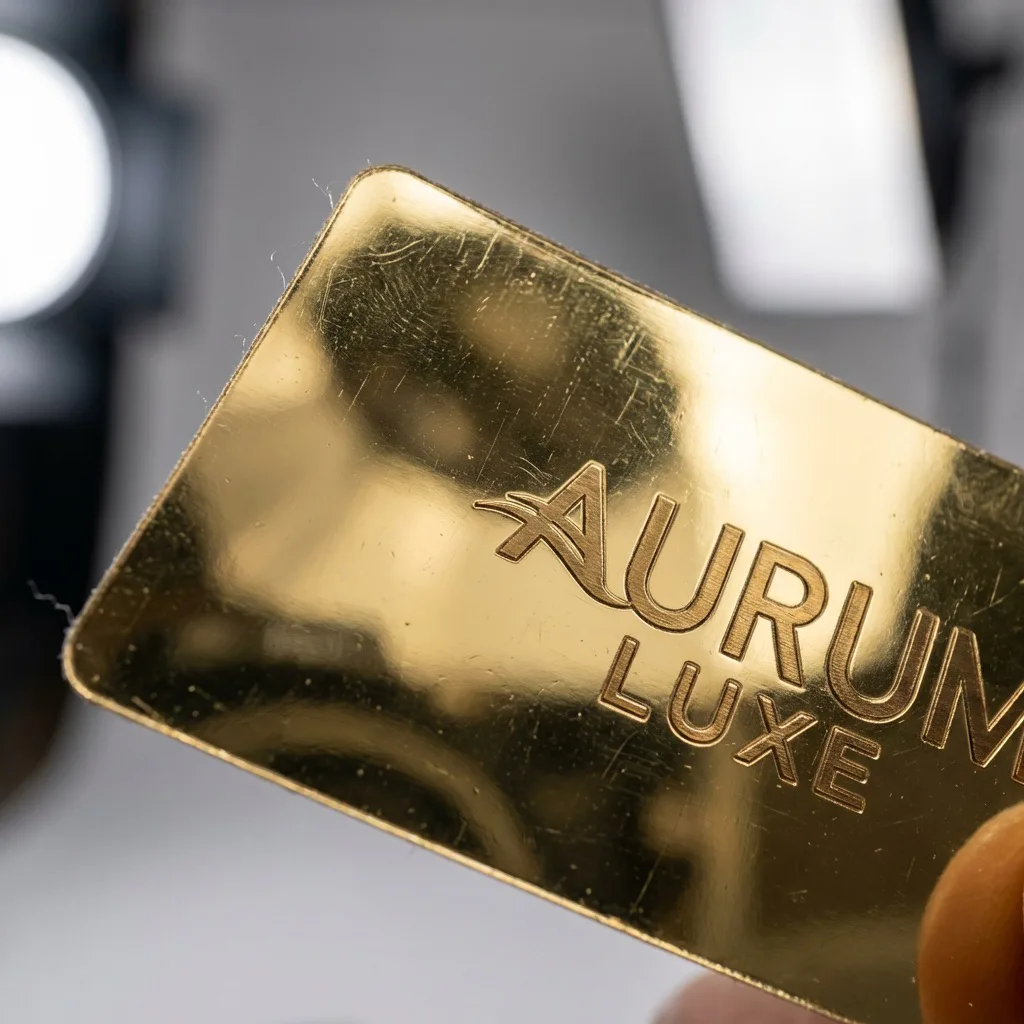 LB–118
Bright, brushed, matte, and mirror surfaces for a high-impact badge or full label.
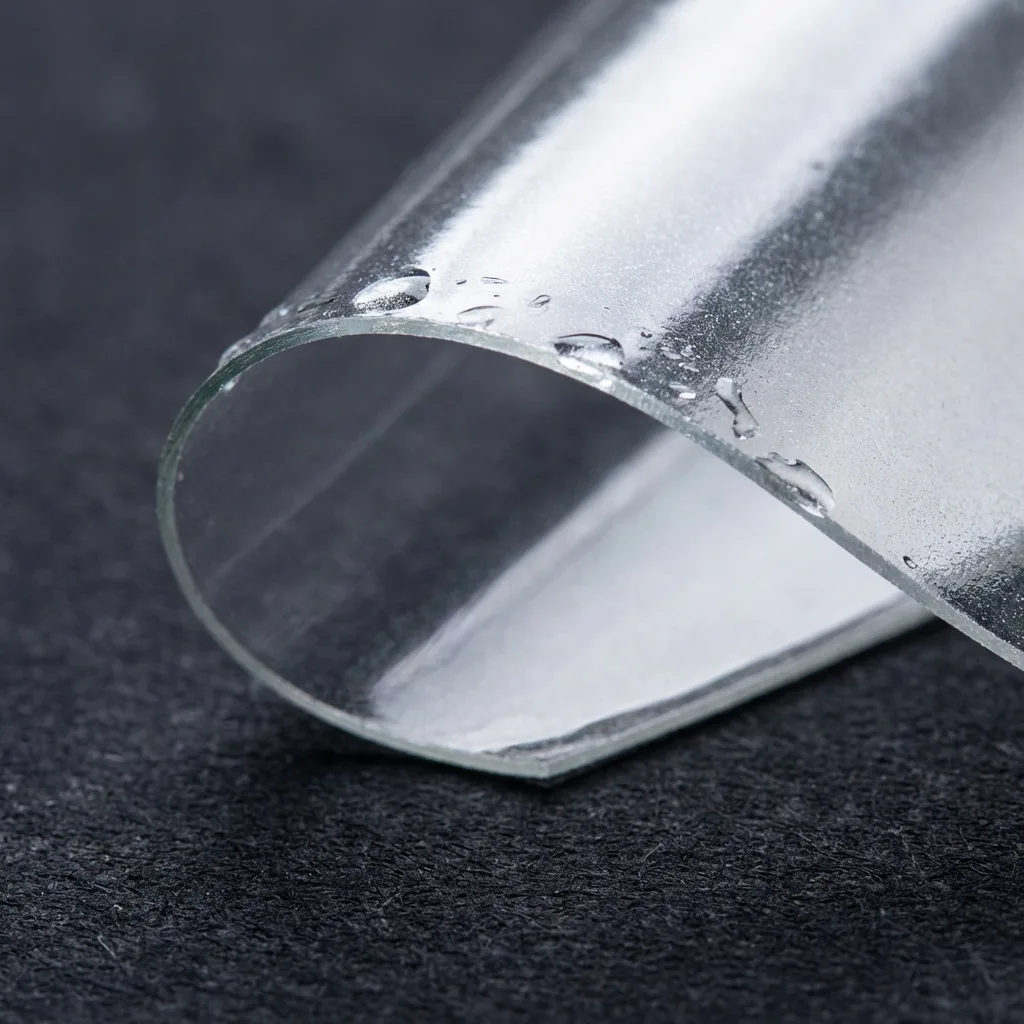 LB–126Material reference
A no-label presentation planned around container color, white ink, adhesive appearance, curvature, and application.
 LB–134
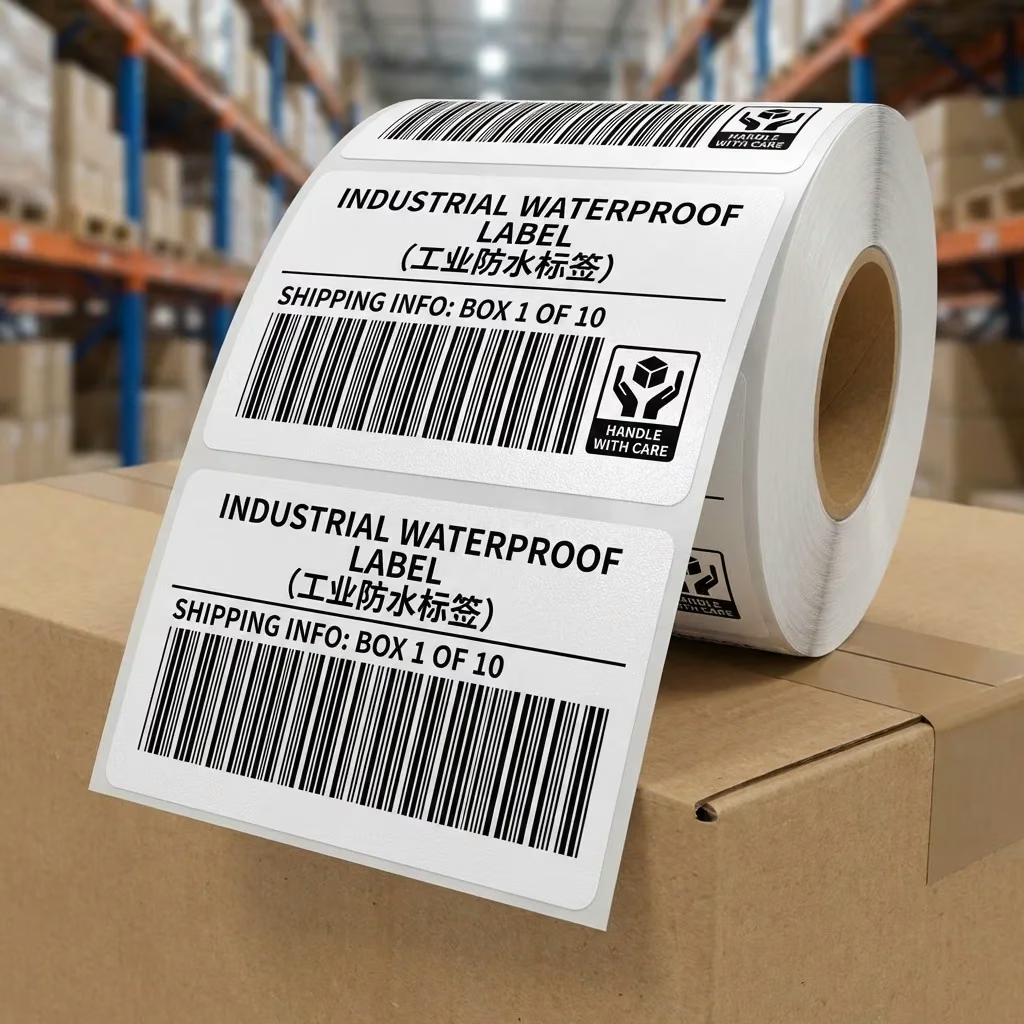
Raised, recessed, blind, and foil-registered detail that gives logos, borders, and patterns physical presence.
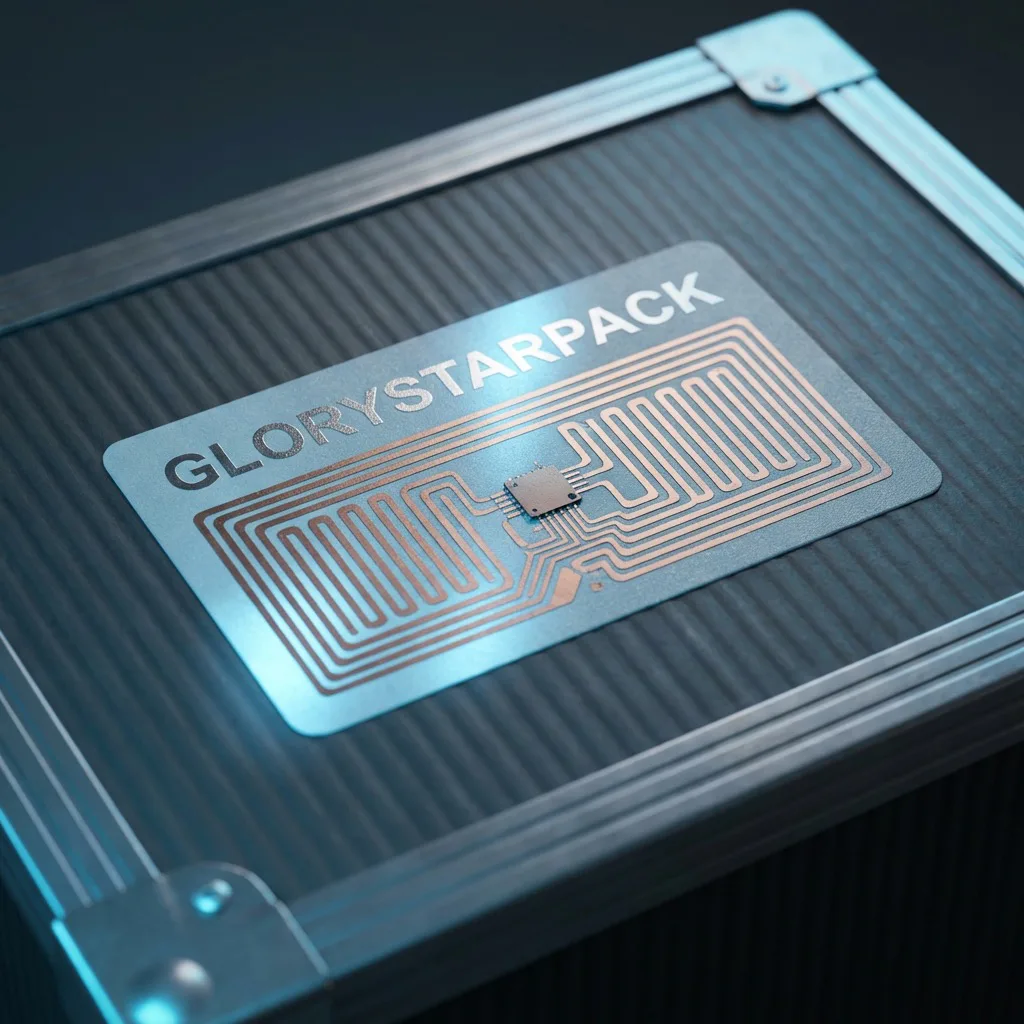
A film label route selected around the actual moisture, abrasion, oil, temperature, surface, and service-life brief.
 LB–240
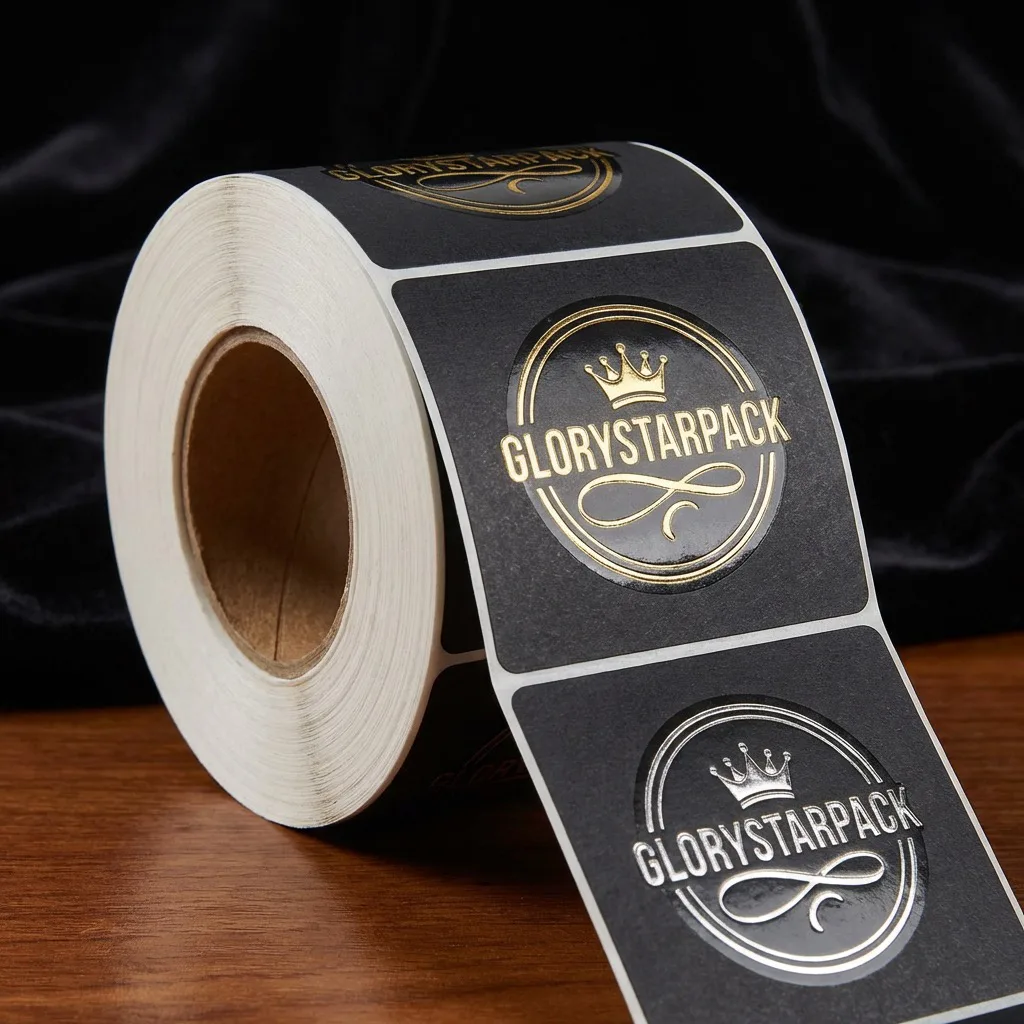
A project review route only after the intended chip or inlay, encoding, application surface, and read-test requirements are confirmed.
Adhesive engineering
Surface energy, curvature, texture, temperature, moisture, and application speed change how an adhesive wets out and holds. Tell us where the label will live—not only how it should look.
Plan condensation, ice-bucket, and adhesive testing for wine bottles
Finishing sequence
Start with legible print, then add one tactile or reflective focal treatment. The result is clearer, easier to produce, and often more premium.
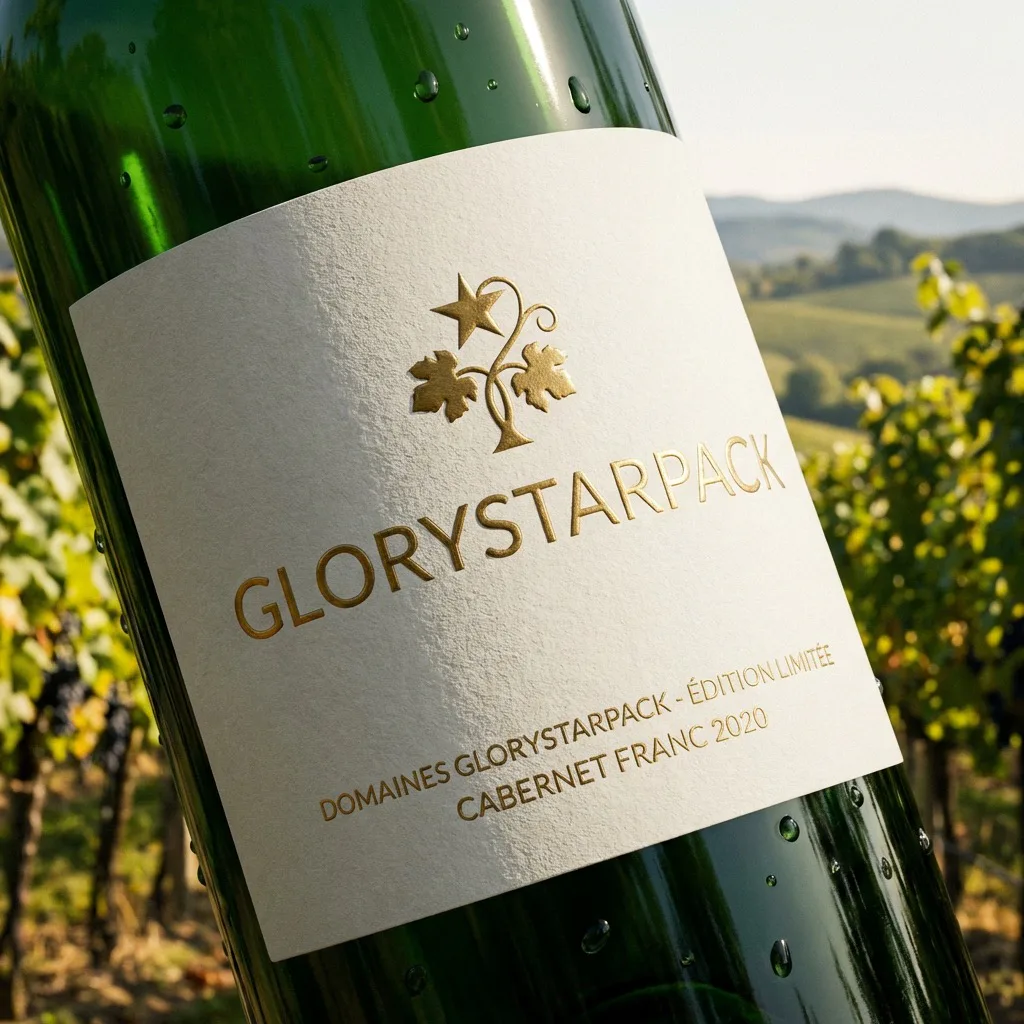
Natural paper balanced by a precise metallic mark.
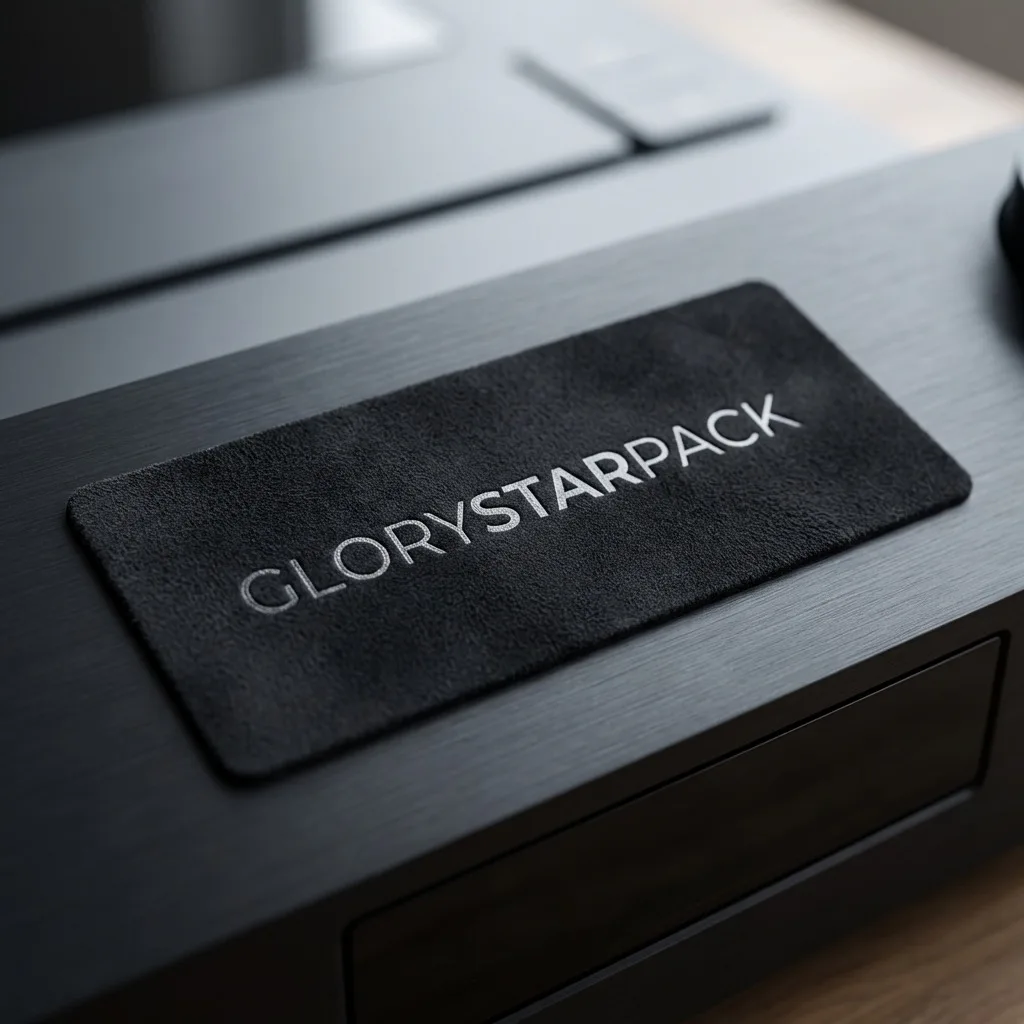
Low-glare surface with foil or spot gloss contrast.
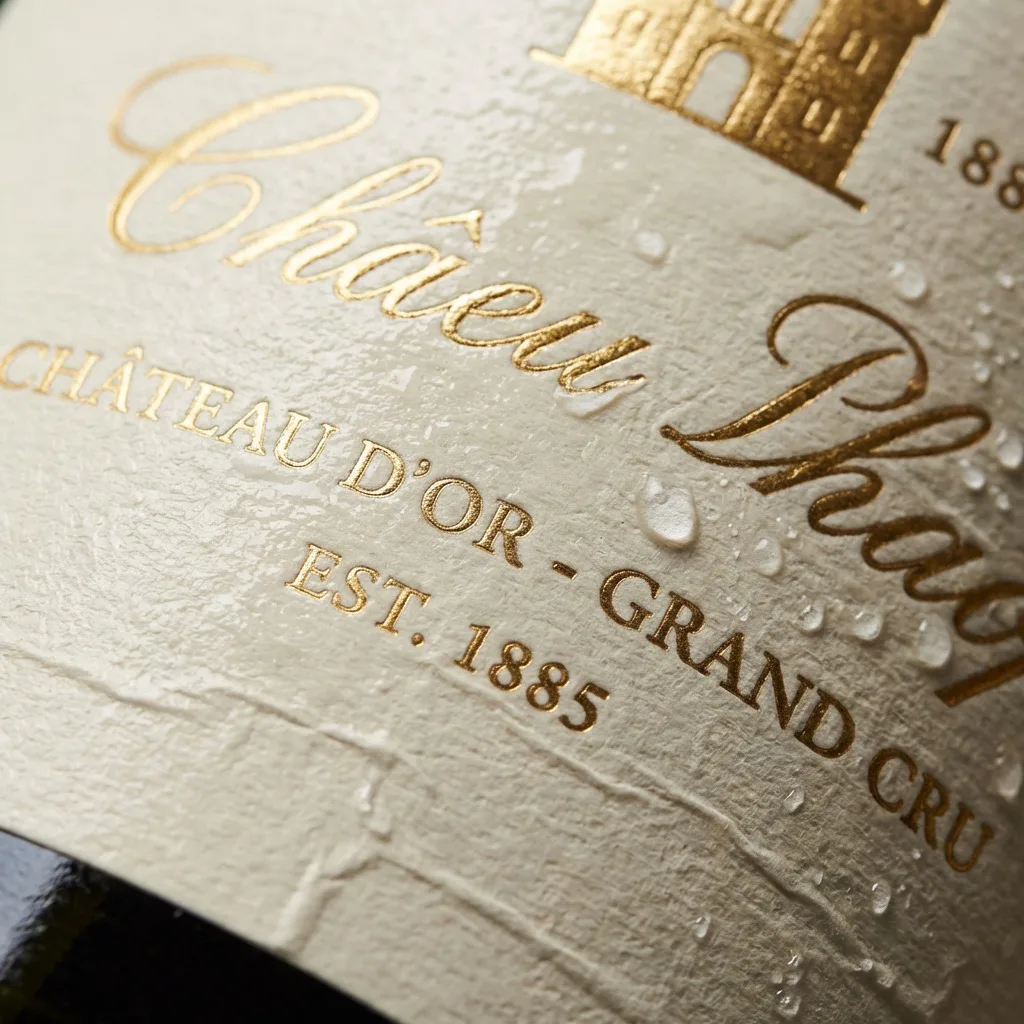
Metallic color registered to raised typography or detail.
Face stock selection
Select paper or film based on the application environment, then tune the color and finish around the brand.
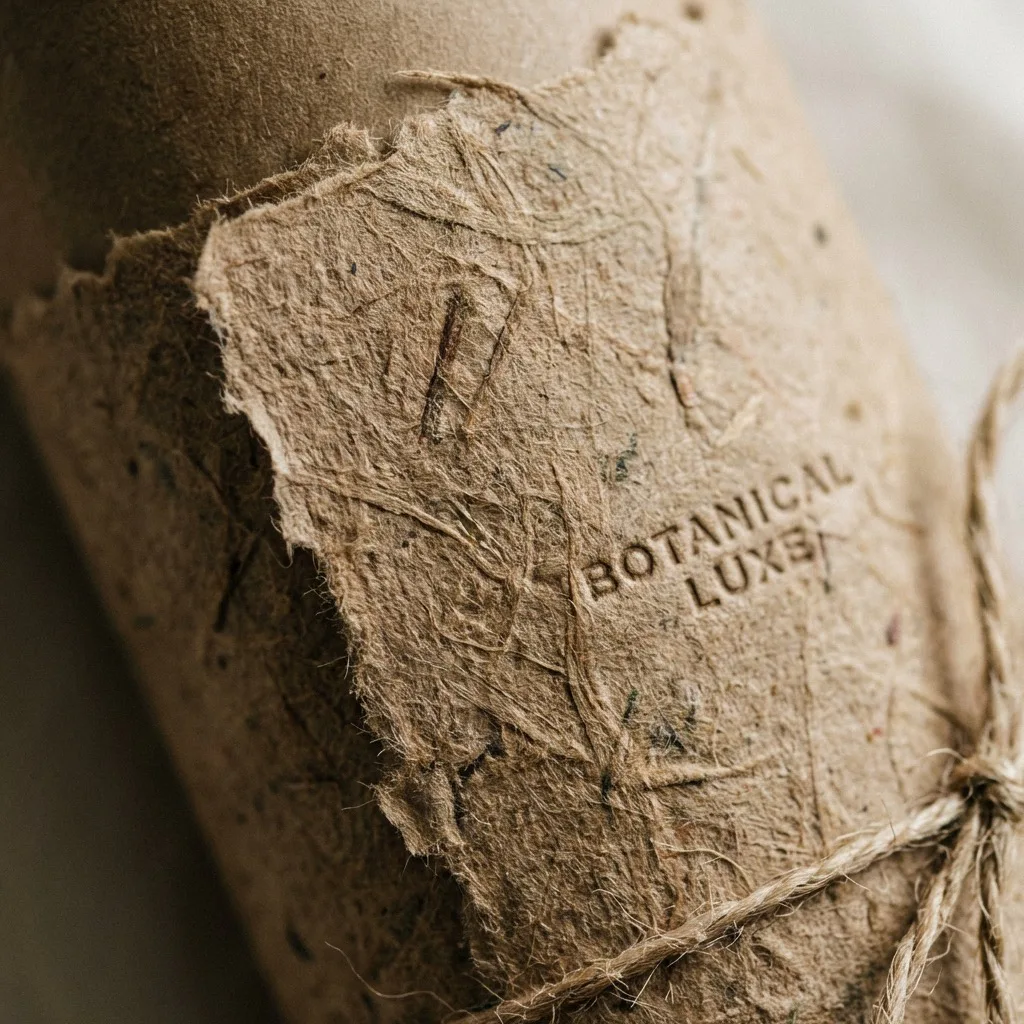
Organic texture and visible fiber
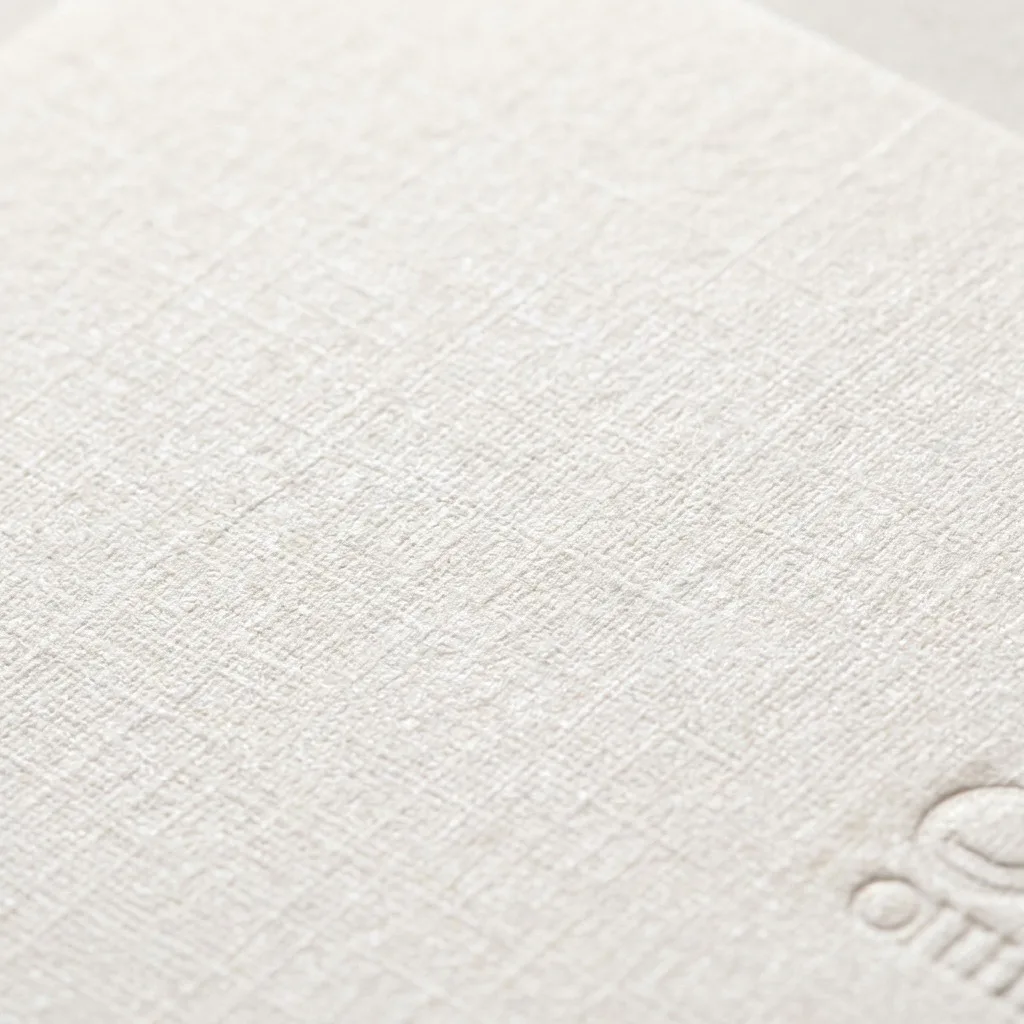
Premium touch and deep emboss
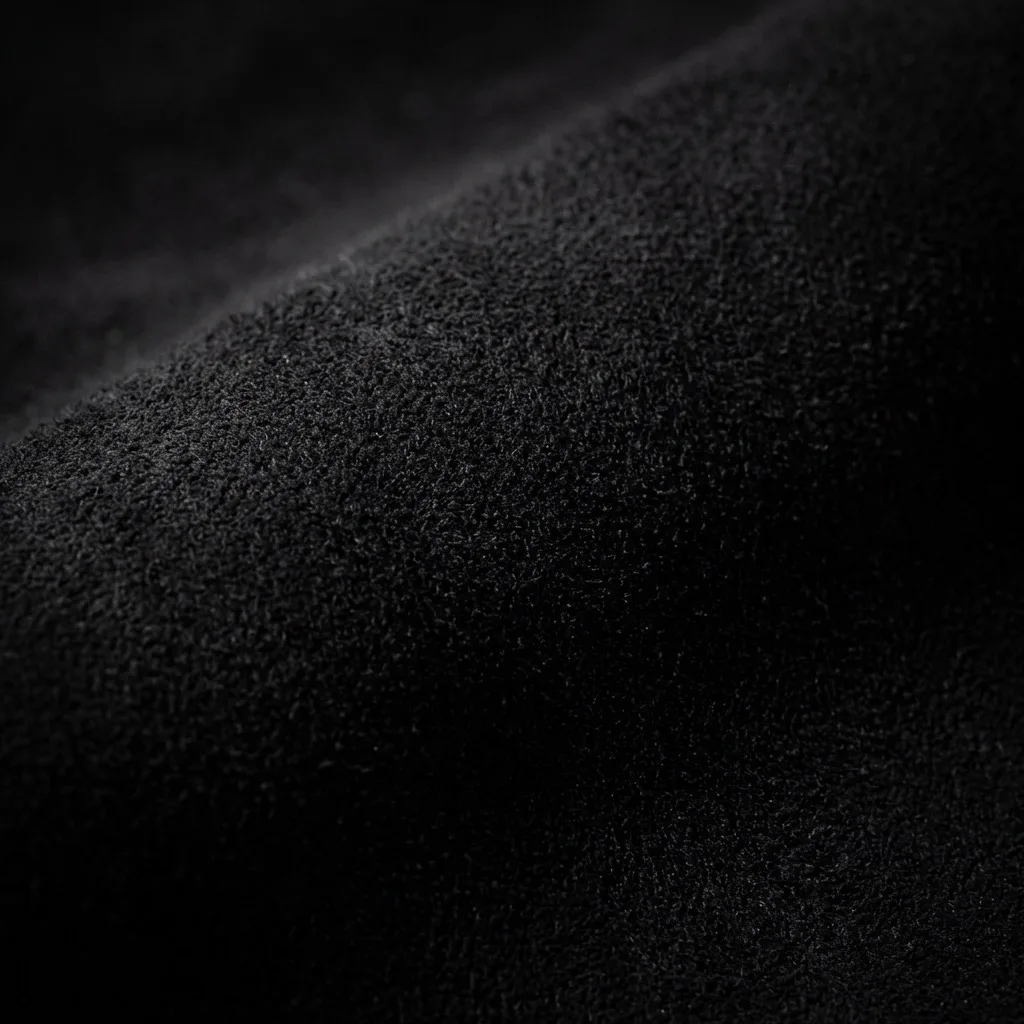
Opaque base for foil and white ink
No-label look and moisture resistance
From artwork to applicator
A complete brief prevents avoidable changes to size, winding, adhesive, and finishing after proofing.
Material, shape, curvature, texture, temperature, and moisture exposure.
Hand or machine application, roll direction, core size, gap, and quantity.
Artwork preflight, white ink, foil, emboss, varnish, and physical sample.
Production, finishing, rewinding, QC, packing, and delivery.
Coordinate Pantone color targets across labels, boxes, bags, and finishes
Buyer evidence pack
A logo on a website is not enough. For a material, compliance, or quality requirement, request the current document and verify that its scope applies to your order.
Company identity. GloryStarPack is operated by Xiamen GloryStar Packaging Co., Ltd. in Xiamen, Fujian, China. This site covers custom boxes, bags, inserts, and labels. Visit our specialist glass bottle and container packaging site. View our Alibaba company profile.
Approved photos, dimensions, finish location, and revision notes.
Named substrate, board, adhesive, laminate, or requested certificate copy.
Agreed photos or video from printing, finishing, assembly, and inspection.
Carton count, marks, packing photos, gross dimensions, and delivery term.
Use the packaging sample approval checklist to record fit, color, finishing, pack-out, revisions, and the exact reference that will govern production.
For first production through shipment release, use the packaging quality inspection checklist and record planner to control lots, defects, carton data, corrective action, reinspection, and authority.
Quote custom labels
Send the label size, quantity, application surface, environment, roll direction if known, and artwork. Kevin will help define the missing specifications.