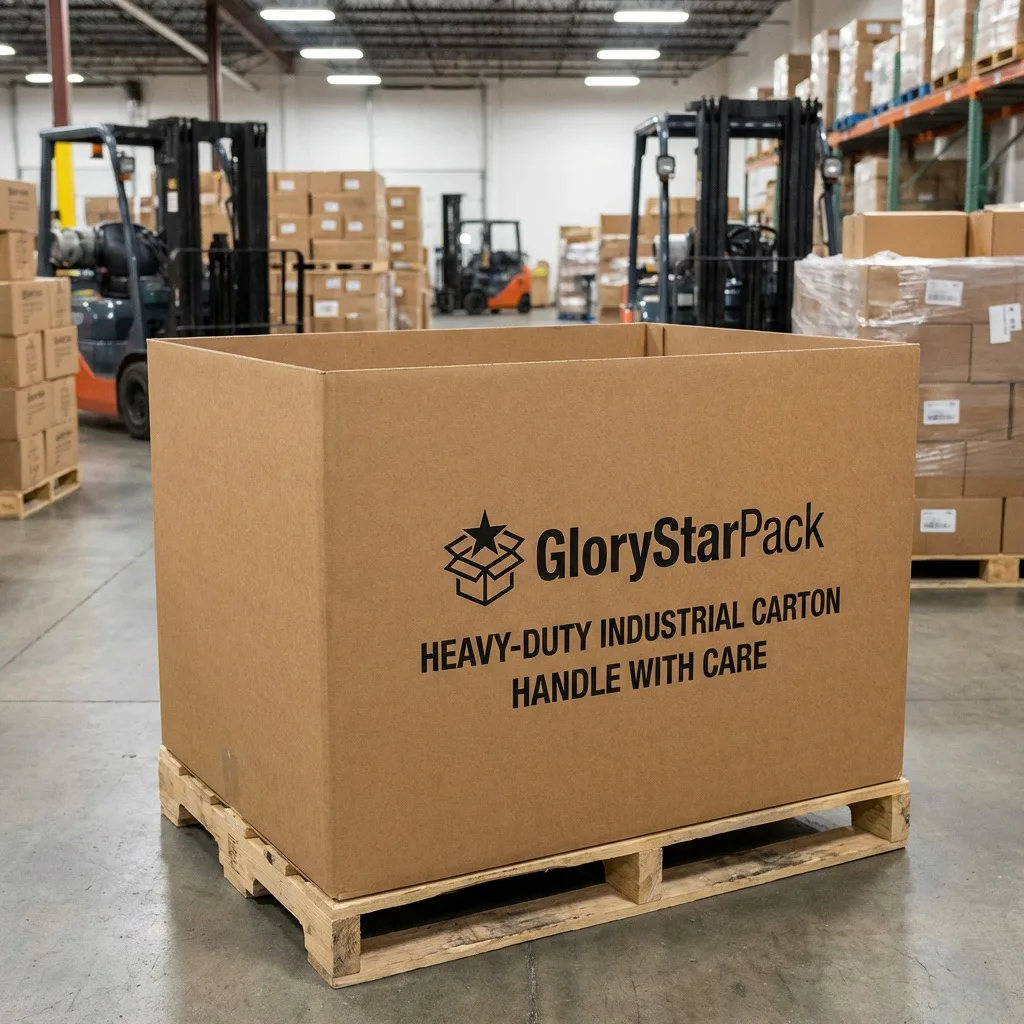
Retail box vs shipping box guide
Define the required arrival condition, compare a ship-alone pack, protective mailer, and corrugated overbox, then validate the exact product-package system.
Choose the shipping system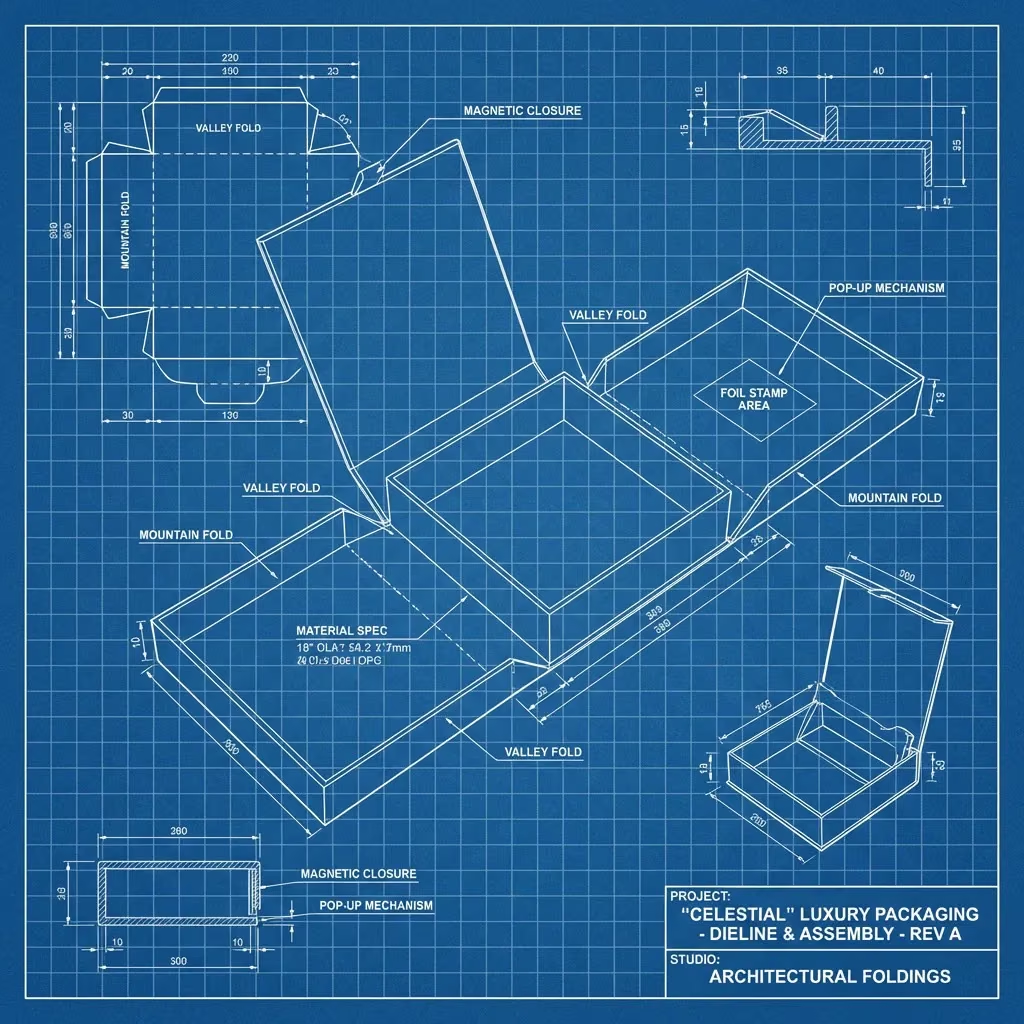
Packaging intelligence
Practical guidance on structure, material, finish, sampling, production, and delivery for teams buying custom packaging.
A better buying sequence
Buyer guides
Use these guides to write a clearer brief, compare quotations fairly, and reduce revisions between concept and production.
Define the required arrival condition, compare a ship-alone pack, protective mailer, and corrugated overbox, then validate the exact product-package system.
Choose the shipping system
Define the buyer, product job, message hierarchy, mandatory copy, structural and print constraints, review owners, and concept scorecard before choosing a visual direction.
Write the decision-ready brief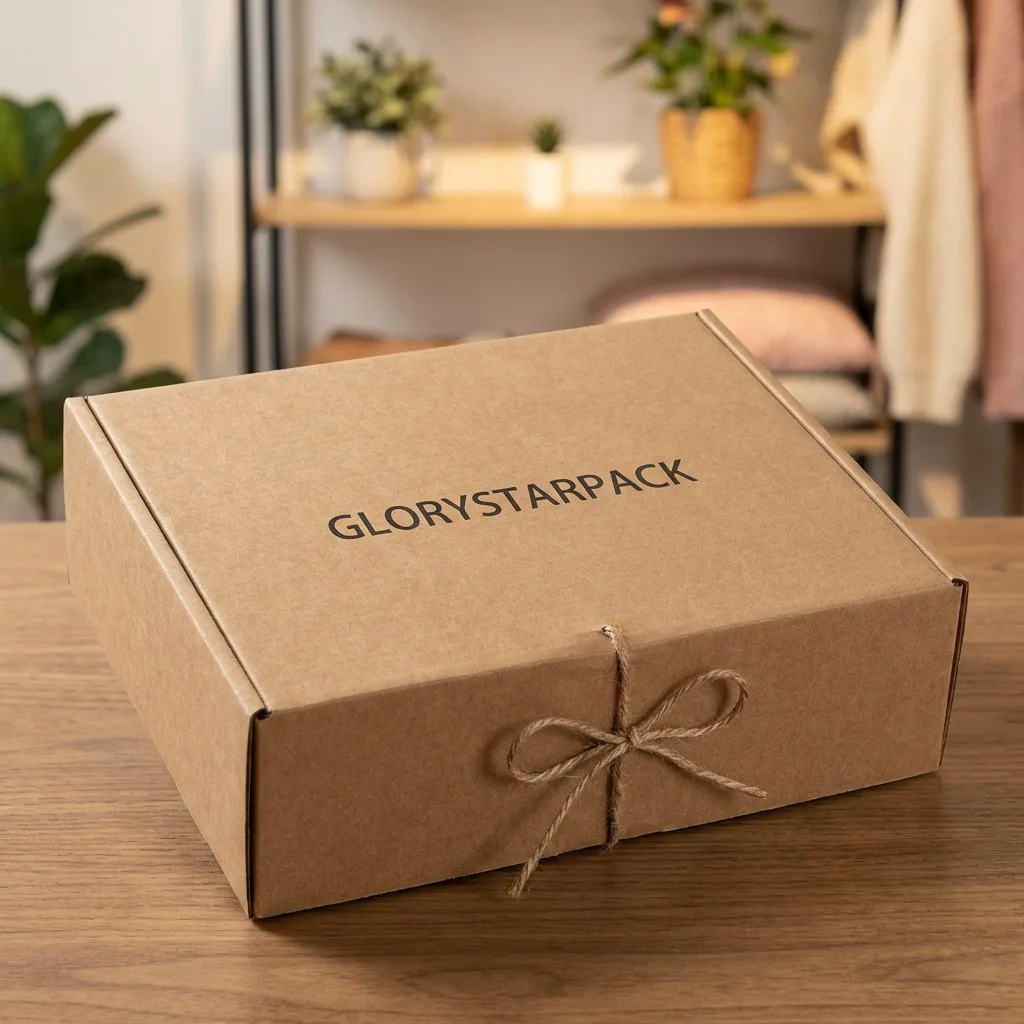
Measure the finished parcel, compare actual and dimensional weight under the applicable carrier rule, test right-sized options, and control the production specification.
Build the right-sizing record
Map product requirements, create compatible structural families, control common and variable artwork, and compare total system cost across a growing product line.
Build the packaging platform
Define the product envelope, fitted insert, reusable architecture, sample stages, acceptance criteria, and quotation scope before committing to a premium packaging run.
Plan the prototype sequenceCompare protection, closure, order volume, storage, artwork changes, pack-out, and testing before choosing a stock box with branded tape or a custom printed box.
Choose the first-run packaging route
Verify identity, structure, sampling, quality records, packing, delivery responsibility, and open assumptions before comparing supplier prices.
Qualify the supplier with evidenceFollow the buyer decisions that connect a brief to a buildable structure, approved sample, quality record, and shipment handoff.
Follow the evidence chain
Choose tests by failure mode and capture sample identity, method, conditions, actual observations, evidence, and the next decision.
Build a usable test record
Coordinate fragrance, skincare, cosmetics, and gift-set boxes, inserts, labels, sampling, quality, and launch delivery around the real product.
Plan a beauty packaging launchMap the opening sequence, product orientation, insert, documentation, and removal experience before adding decorative effects.
Read the unboxing guide
Work backward from a required delivery date or forward from a brief-ready date through scope, artwork, samples, approvals, materials, production, QC, freight, and contingency.
Build the dated milestone plan
Convert dimensional caliper exactly, understand why GSM is not thickness, compare board language, and build a supplier-ready material and sample specification.
Use the paper caliper converterPlan inspection records, download the QC CSV, and control revisions, lots, characteristics, defects, sampling boundaries, cartons, nonconformance, reinspection, and shipment release.
Build a packaging inspection planCount expected quote lines and missing comparison fields, download the RFQ CSV, and control dimensions, versions, samples, packing, one-time charges, delivery terms, and supplier deviations.
Build a comparable packaging RFQ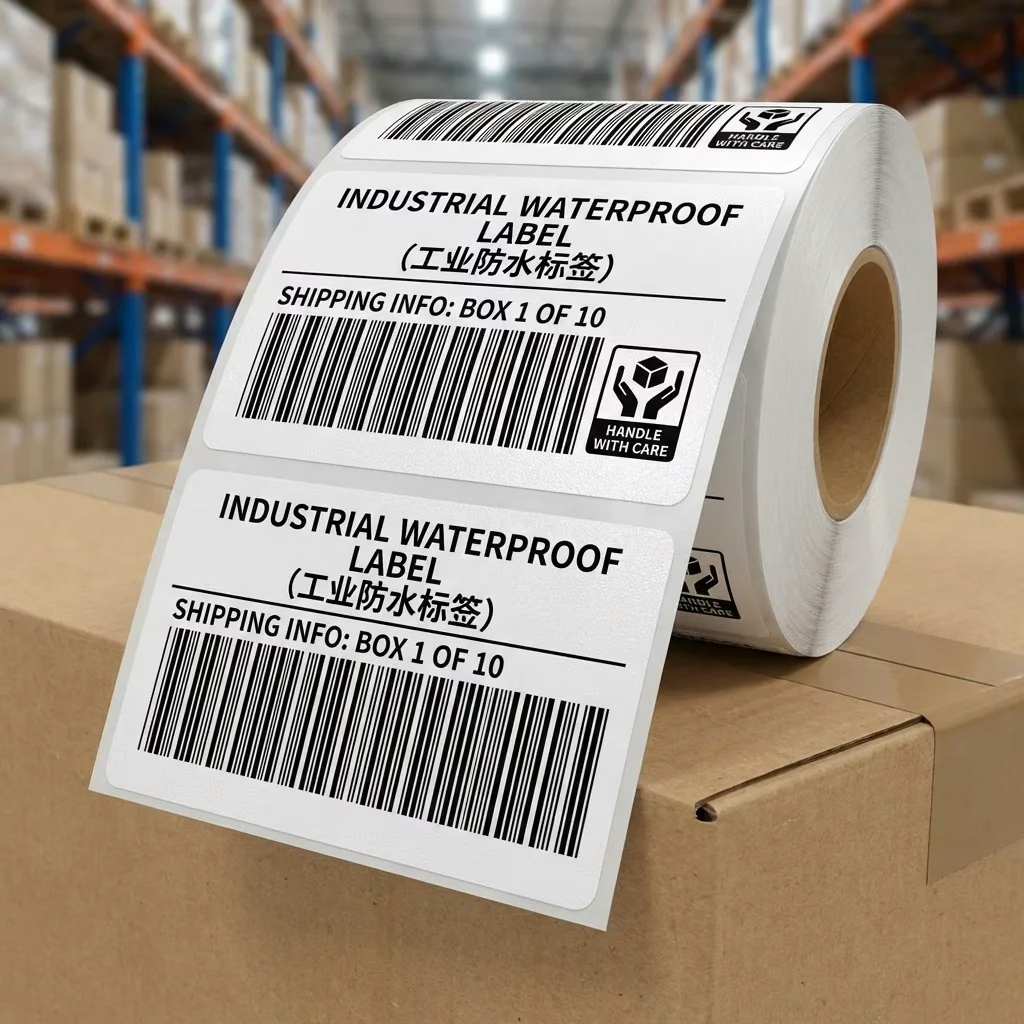
Count applied samples and inspection records, download the test CSV, and control construction, surface, application, dwell, exposure sequences, codes and release.
Build a waterproof-label test matrix
Plan the applied-sample matrix, download the trial CSV, and control spot white, clear windows, trapping ownership, container variables, barcode contrast, application and production release.
Use the clear-label artwork guide
Check a proposed bottle cavity, download the RFQ template, then control support, pump and cap clearance, protected surfaces, removal, gift-set components, outer cartons, testing and QC.
Use the perfume insert checklistCalculate an upright bottle-set planning envelope and load, download the RFQ template, then control support, inserts, removal, outer cartons, testing, QC and change release.
Use the wine gift-box specification guide
Calculate tag demand, download a variable-data template, and control the physical tag, attachment, barcode, SKU proof, retail-ready application, packing and reconciliation.
Use the hang tag production checklist
Estimate sheet demand and bundle rounding, then control the wrap, repeat, opacity, print contact, rub risk, folding, packing, low-volume route, claims, and RFQ.
Use the tissue sheet planner
Calculate a planning inside diameter and usable height, then control the loading path, cap, removal, artwork, contact boundaries, sample evidence, and master carton.
Use the paper tube fit planner
Map the arranged item envelope, support zones, chain or clasp path, contact materials, removal, tolerance, sample evidence, and complete shipping pack.
Use the jewelry insert fit plannerConnect product, inside and outside dimensions, case pack, board evidence, closure, pallet constraints, route hazards, testing, and change control.
Use the case-cube and pallet plannerUse supplier master-carton data and measured assembly time to compare empty-box cube, forming labor, structure, storage, landed scope, and RFQ evidence.
Use the cube and labor calculatorEstimate incremental investment, break-even orders, and required order lift, then test protection, packing, shipping, inventory, and customer evidence.
Use the packaging ROI calculator
Check the public record, direct supplier and site, product scope, order claim, label approval, delivery evidence, and certificate changes before relying on a sustainability claim.
Use the FSC verification workflow
Compare loaded protection, inserts, presentation, packing labor, shipment volume, landed cost, sampling, and transit testing on one controlled brief.
Compare the two packaging routesControl scale, panels, cut and crease paths, bleed, safe zones, print and finishing layers, links, fonts, color, barcodes, proofing, and final file release.
Use the artwork checklistCompare capability, MOQ, samples, quality control, landed cost, import responsibility, timing, and repeat-order risk on one controlled scope.
Compare packaging supplier routes
Choose a staged route through stock packs, branded components, stock-size printing, modular parts, and a fully custom structure without overcommitting cash to uncertain inventory.
Plan a low-MOQ packaging routeCompare delivery points, risk transfer, freight, customs, destination charges, container alternatives, and landed cost on one quotation basis.
Compare packaging Incoterms
Size the pack from the product outward, control internal and external dimensions, then define board, closure, parcel test, failures, and RFQ inputs.
Build a mailer specification
Build a representative test around the bottle, application line, dwell, cold storage, condensation, ice bucket, wet handling, and defined failure limits.
Use the wine label test guideControl one brand target across papers, films, spot and process inks, coatings, proofs, lighting, measurement, and repeat production.
Read the packaging color guide
Compare fit, surface protection, removal, production controls, testing, pack-out, and end-of-use tradeoffs before selecting an insert.
Read the insert material comparison
Map dimensions, construction, wrap, inserts, finishing, versions, packing, and freight before comparing rigid box quotations.
Review rigid box cost driversCompare opening movement, product reveal, insert fit, tolerances, packing volume, sampling, and landed scope before choosing a rigid box.
Compare the two structuresUnderstand how structure, materials, tooling, finishing, quantity, versions, packing, and delivery shape a comparable packaging quotation.
Compare cost and MOQ driversReview the sample type, product fit, opening, material, artwork, color, finishing, pack-out, and revision record before bulk approval.
Use the approval checklist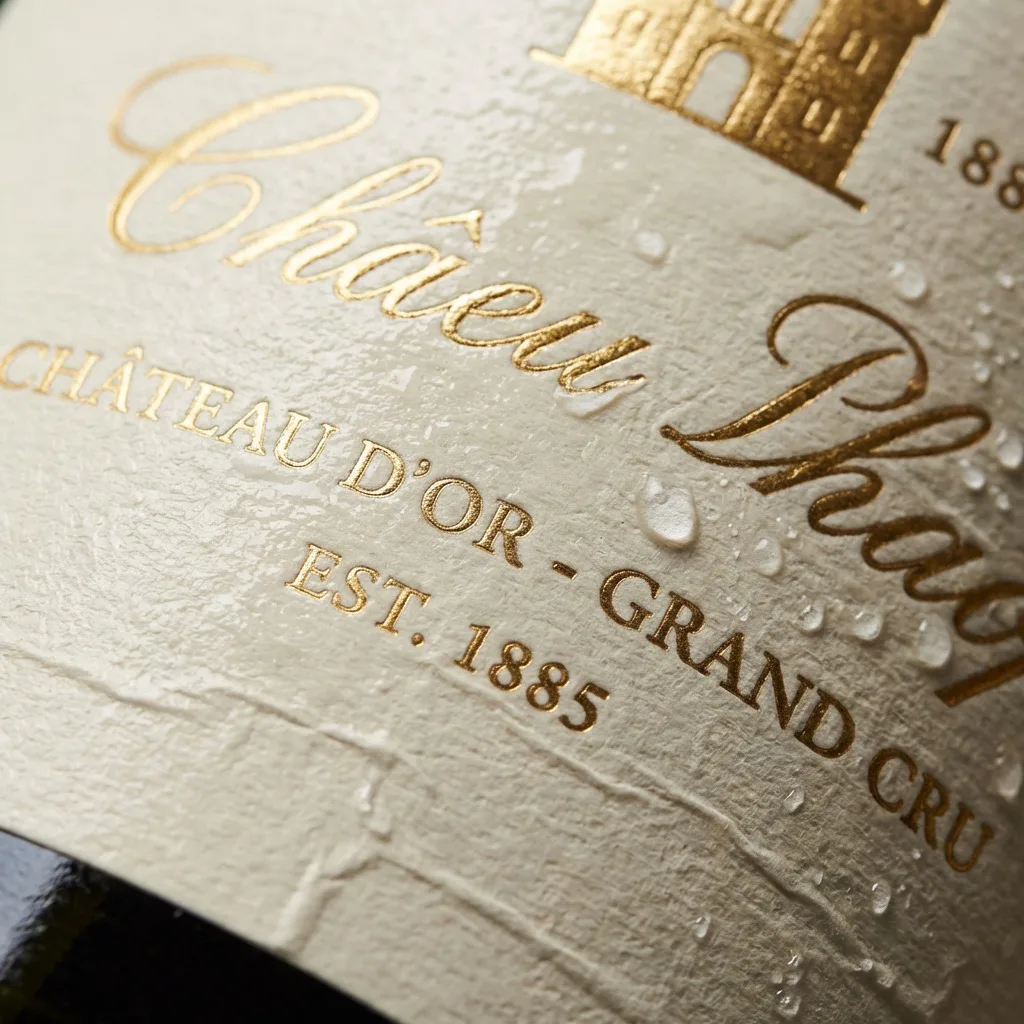
Compare how foil and clear spot gloss behave across dark stock, matte lamination, fine type, large patterns, tooling, and production tolerances.
Compare the finishes
Reduce empty space, unnecessary layers, mixed components, and freight volume before choosing a material story or certification claim.
Read the structure-first guideBuild a schedule from the warehouse date backward, compare Incoterms fairly, and confirm cartons, gross weight, marks, and packing before freight is booked.
Plan production and freight