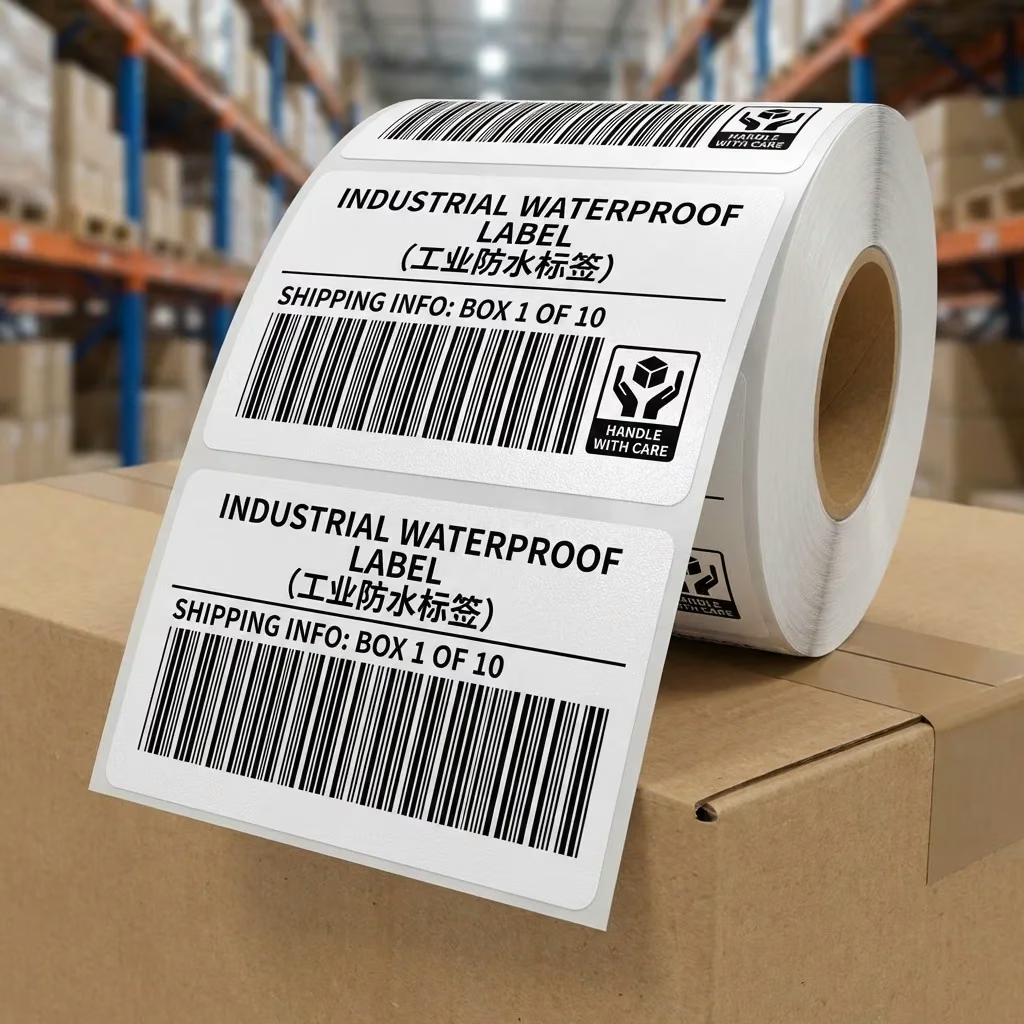
Water + condensation
Record droplet source, temperature cycle, contact time, drying, repetition, and whether the label may be rubbed while wet.
- Splash
- Condensation
- Wet rub
Exposure-led label development
Replace a broad “waterproof” request with measurable water, condensation, immersion, freezing, oil, rubbing, outdoor, and barcode requirements.
Define the target
Brief contact with droplets, repeated condensation, timed immersion, freeze-thaw, oily handling, rubbing, and outdoor exposure are different tests. State the sequence, duration, temperature, and acceptable result.
Record droplet source, temperature cycle, contact time, drying, repetition, and whether the label may be rubbed while wet.
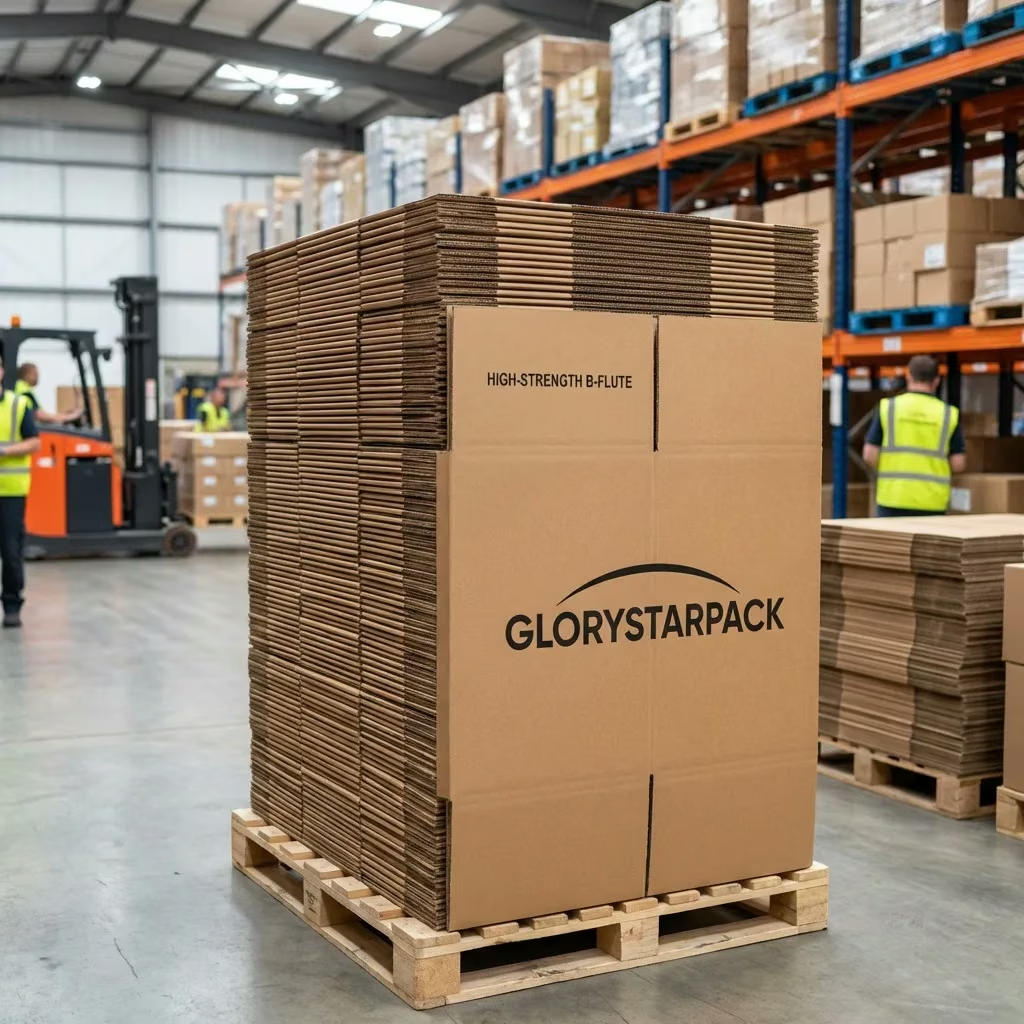
Define liquid, depth, time, temperature, thaw sequence, cycles, and what must remain attached, legible, and scannable.
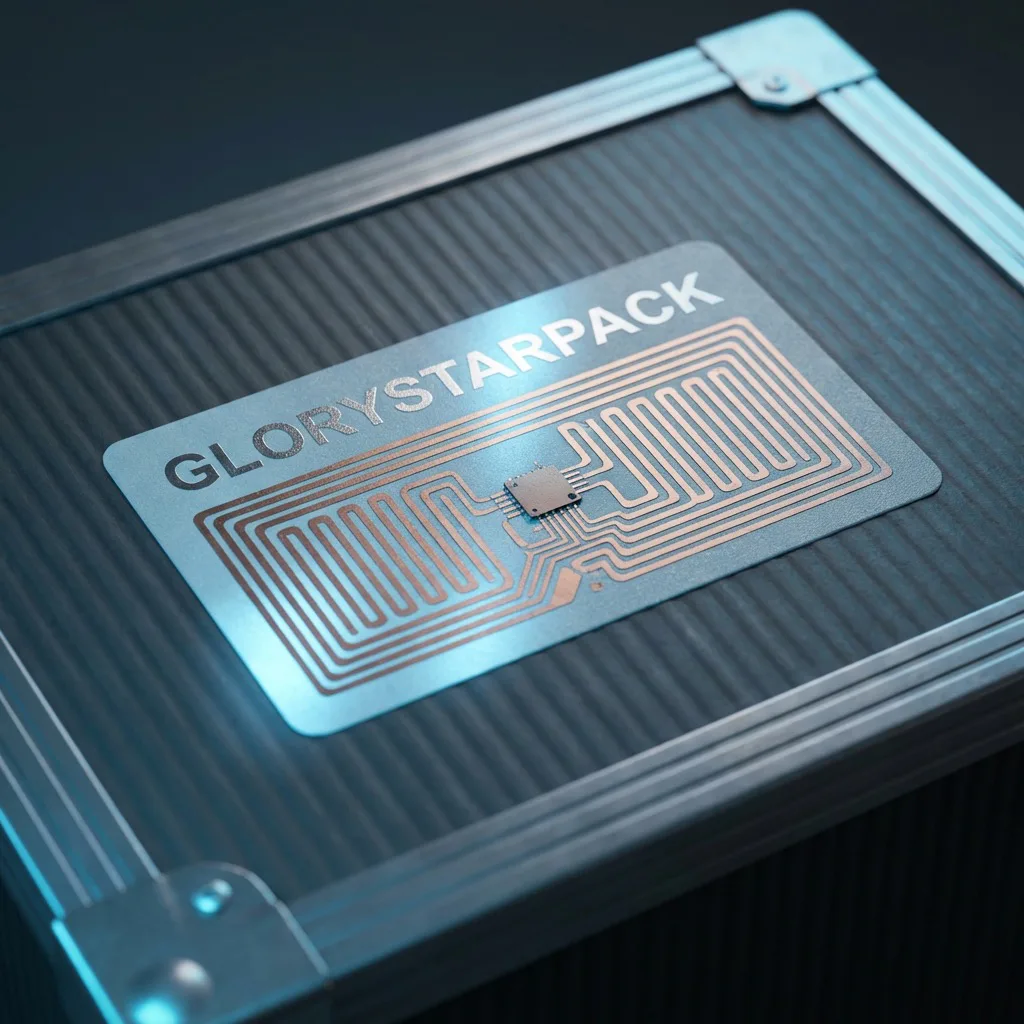 EX–03
EX–03Name the oil, contact method, rubbing action, outdoor duration, orientation, and inspection intervals instead of assuming one universal result.
For label formats outside an exposure-led brief, compare the full custom label range.
The complete construction
The face material carries the print, the adhesive must wet out on the actual application surface, and a laminate or coating can protect the printed face. These layers need to be assessed together under the intended application and exposure sequence.
A face material, adhesive, or protective layer cannot establish performance alone. Approve the complete applied construction against a written test plan.
Exposure and test matrix
The useful question is not whether a label is waterproof in general, but whether the applied construction meets the stated acceptance rule after each representative condition.
Scroll horizontally to view all columns →
| Exposure | Define before testing | Inspect or measure |
|---|---|---|
| Water contact | Water source, droplet or spray method, volume, contact time, angle, repetition, and dry interval. | Edge lift, face change, print change, wrinkling, adhesion, and readability. |
| Condensation | Starting temperature, room temperature and humidity, cycle length, number of cycles, and handling while wet. | Moisture at edges, bubbles, movement, whitening, print condition, and wet-rub response. |
| Immersion | Liquid, depth, temperature, duration, agitation if any, position, removal method, and recovery time. | Attachment, edge condition, face distortion, print, readability, and post-dry appearance. |
| Freezing | Application dwell before cooling, freezing temperature, hold time, thaw conditions, cycle count, and moisture present. | Lift, cracking, wrinkles, movement, print condition, adhesion after thaw, and scan result. |
| Oil contact | Named oil, amount, contact area, temperature, duration, wipe method, repetition, and recovery interval. | Staining, softening, smearing, edge lift, adhesion, readability, and surface change. |
| Rubbing | Wet or dry state, rubbing material, load, stroke length, speed, cycle count, and contact area. | Ink loss, laminate damage, scuffing, tearing, code contrast, and remaining legibility. |
| Outdoor exposure | Location, orientation, season, duration, inspection intervals, direct or sheltered position, and expected weather. | Color shift, print contrast, face change, edge lift, adhesion, cracking, and barcode readability. |
| Barcode | Code type, size, data, quiet zone, print method, scanner, scan distance, and acceptance rule. | Baseline scan plus scans after each exposure, with visible defects and failures recorded. |
Application surface and dwell
Surface energy, texture, contamination, curve, application temperature, pressure, and dwell influence how the adhesive develops contact. A test that ignores application conditions cannot represent the intended use.
For cold beverage bottles, use the wine label condensation and adhesive test guide. For the secondary pack, pair the label brief with custom corrugated shipping boxes.
From exposure brief to release
A useful development path fixes the target conditions, representative samples, observation points, and acceptance rules before production.
List the surface, water, condensation, immersion, freezing, oil, rubbing, outdoor, and barcode conditions that apply.
Review face material, adhesive, print protection, shape, application temperature, dwell, and supply format together.
Apply under recorded conditions, run the agreed sequence, scan codes, inspect defects, and compare with the acceptance rules.
Sign the artwork, construction, roll details, test record, QC points, packing, quantity, and delivery plan before scale.
Need controlled sample counts, exposure sequences and acceptance records? Use the waterproof-label testing guide and matrix planner.
Browse the complete custom packaging range or send an exposure brief.
Buyer questions
Final recommendations depend on the actual surface, application conditions, exposure sequence, pass criteria, quantity, and artwork.
Quote custom waterproof labels
Share the label size, quantity, application surface and temperature, dwell time, liquids, temperature cycles, rubbing, outdoor duration, barcode needs, destination, and target date.