
Shallow lid
A shorter lid leaves more of the base visible and creates a clear separation line, with fit tuned through the finished overlap.
- Visible base
- Short overlap
- Clear reveal
Lid depth, overlap, fit
Specify the upper lid, lower base, clearance, insert, materials, and opening feel as one two-piece structure before artwork is finalized.
Two-piece structures
Overlap controls the visible base, opening path, separation resistance, artwork proportions, and how the packed box is handled.
A shorter lid leaves more of the base visible and creates a clear separation line, with fit tuned through the finished overlap.

A deeper overlap covers more of the base and can increase retention, but requires deliberate clearance and a practical lifting area.
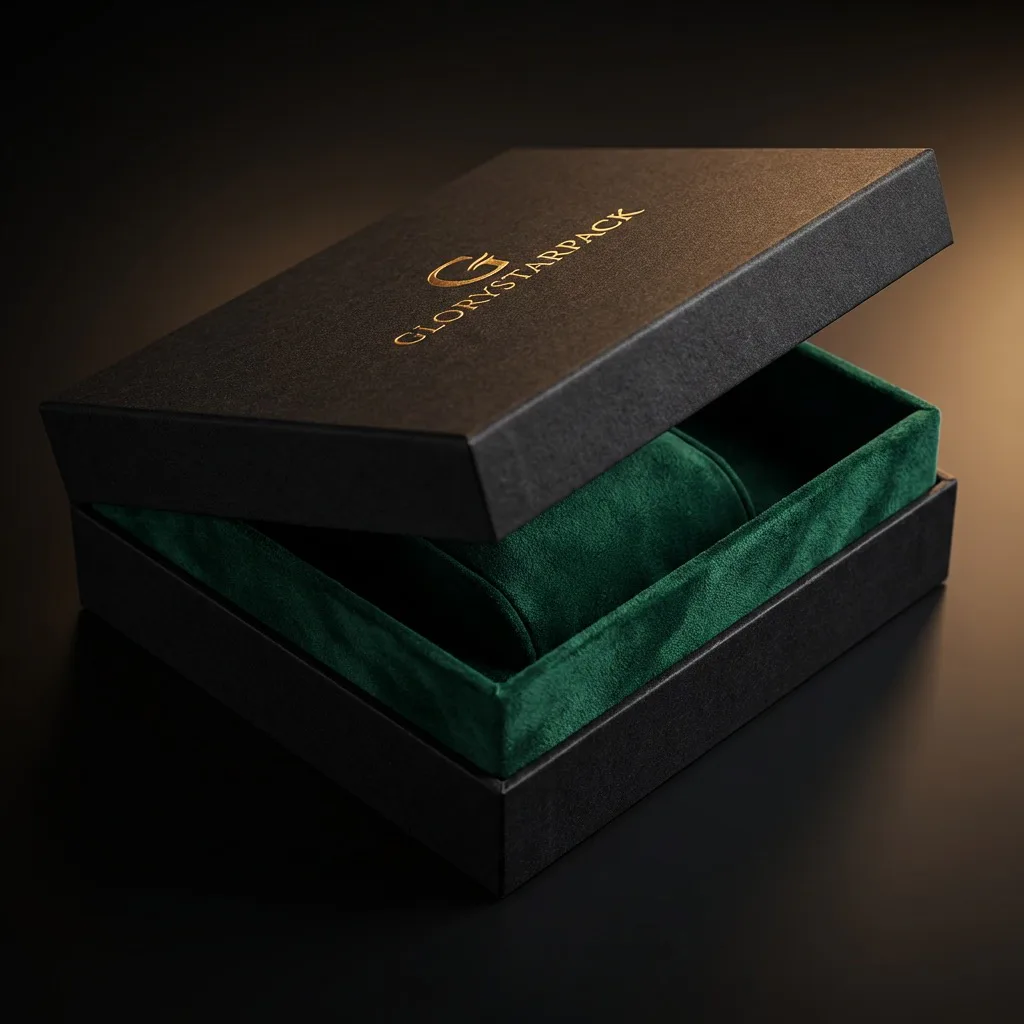 SN–03
SN–03An inner neck creates a visible middle reveal and separate alignment surface when a standard exterior overlap is not the intended look.
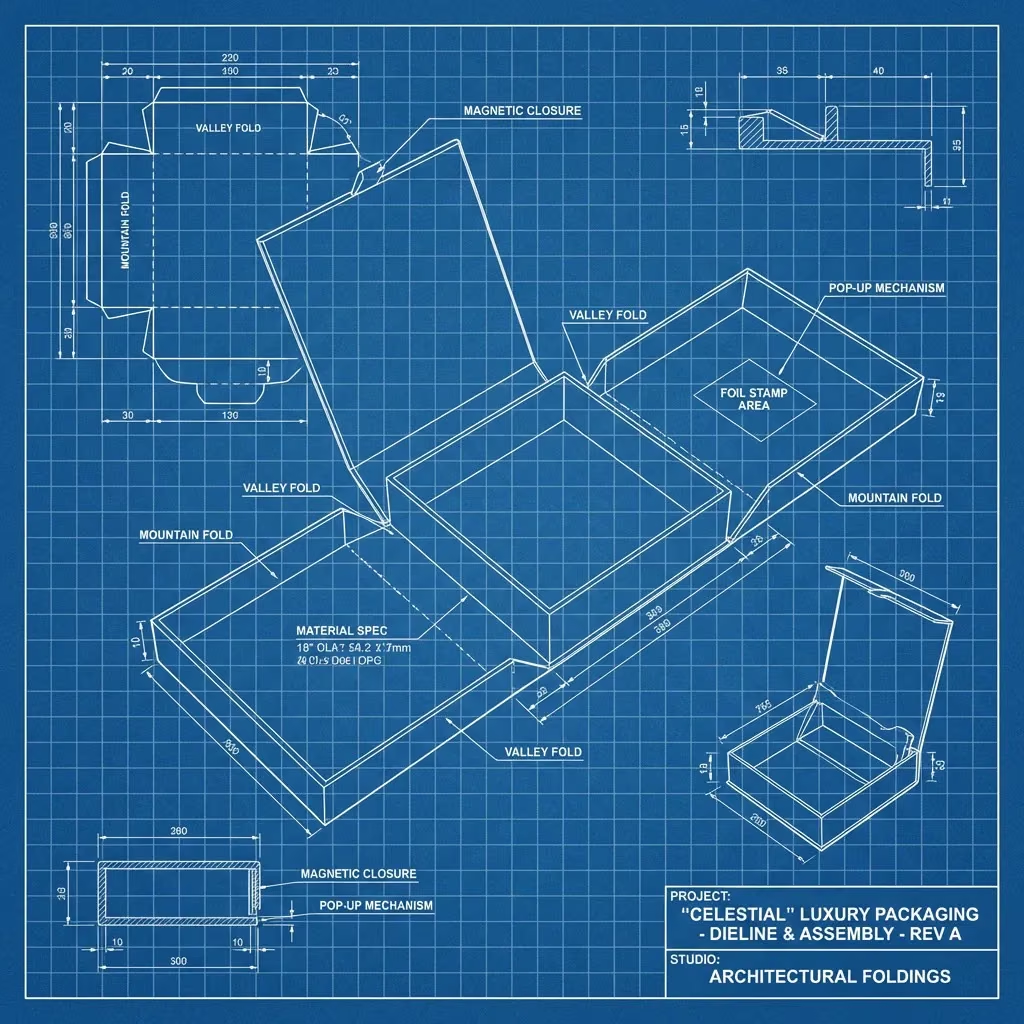
Selection logic
Begin with how the box is picked up, presented, opened, and repacked. The intended action determines how much overlap is useful and where the user can grip the base.
Fit and friction
Clearance must include board thickness, paper buildup, seams, adhesive, corners, surface finish, and ordinary manufacturing variation.
The effective base size includes its wrap and seams; the effective lid opening includes the inner wrap, turn-ins, corners, and any local buildup.
More contact area can create more friction and reduce the available grip on the base. The balance should be judged with the intended product loaded.
Approve alignment, initial lift, continuous removal, separation, and replacement rather than judging only the closed appearance.
Board and wrap
Core rigidity and wrap behavior affect squareness, corner definition, lid clearance, print appearance, and the consistency of the opening action.
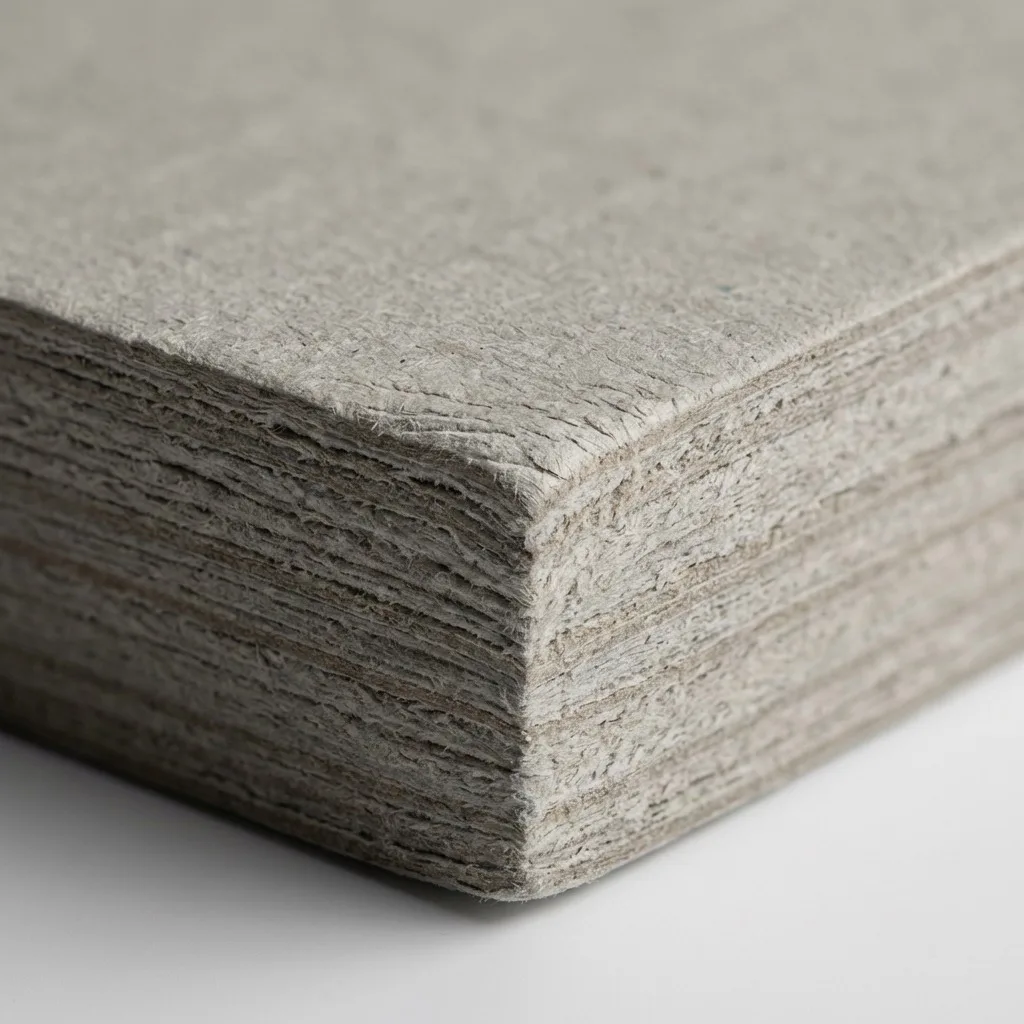
Thickness follows span, depth, and product load
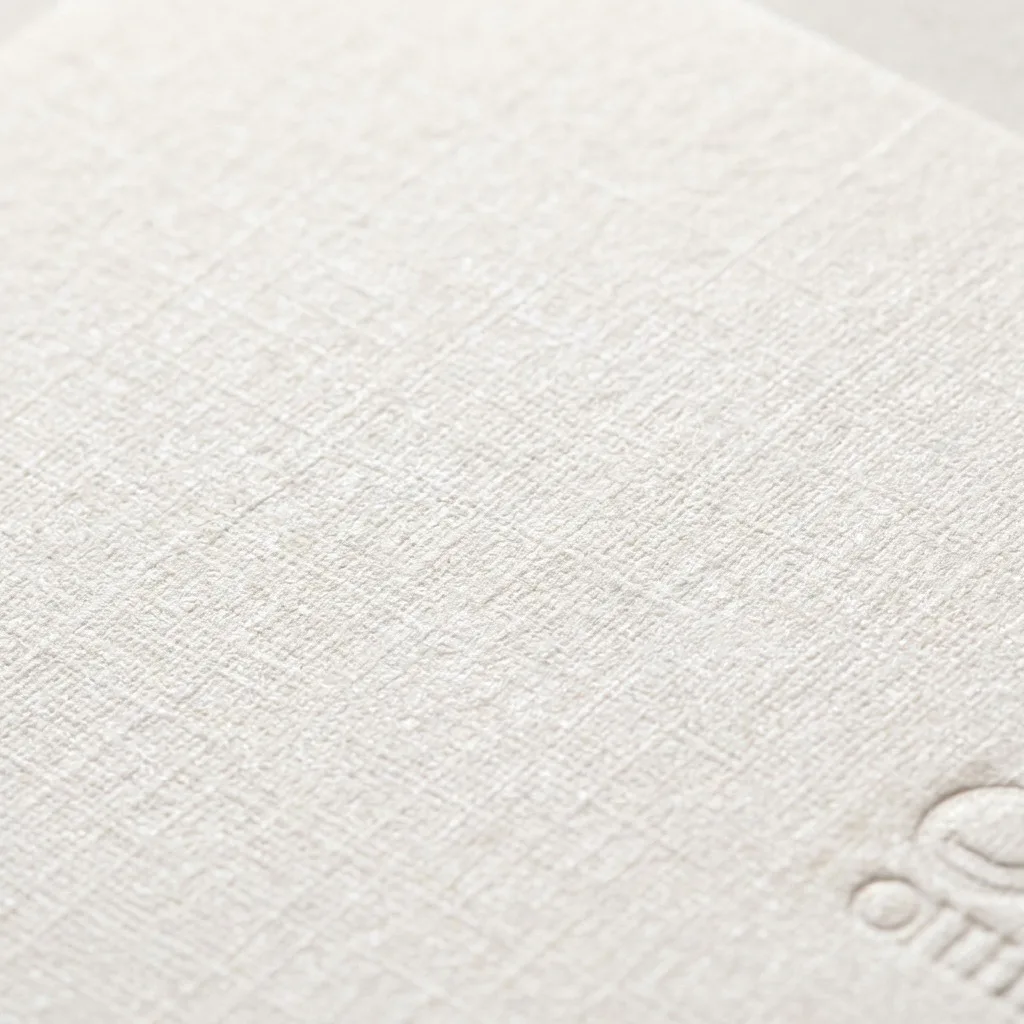
Texture, turn-ins, and corner behavior reviewed
Edge coverage and visible marks considered

Placement kept clear of critical fit surfaces
Custom insert
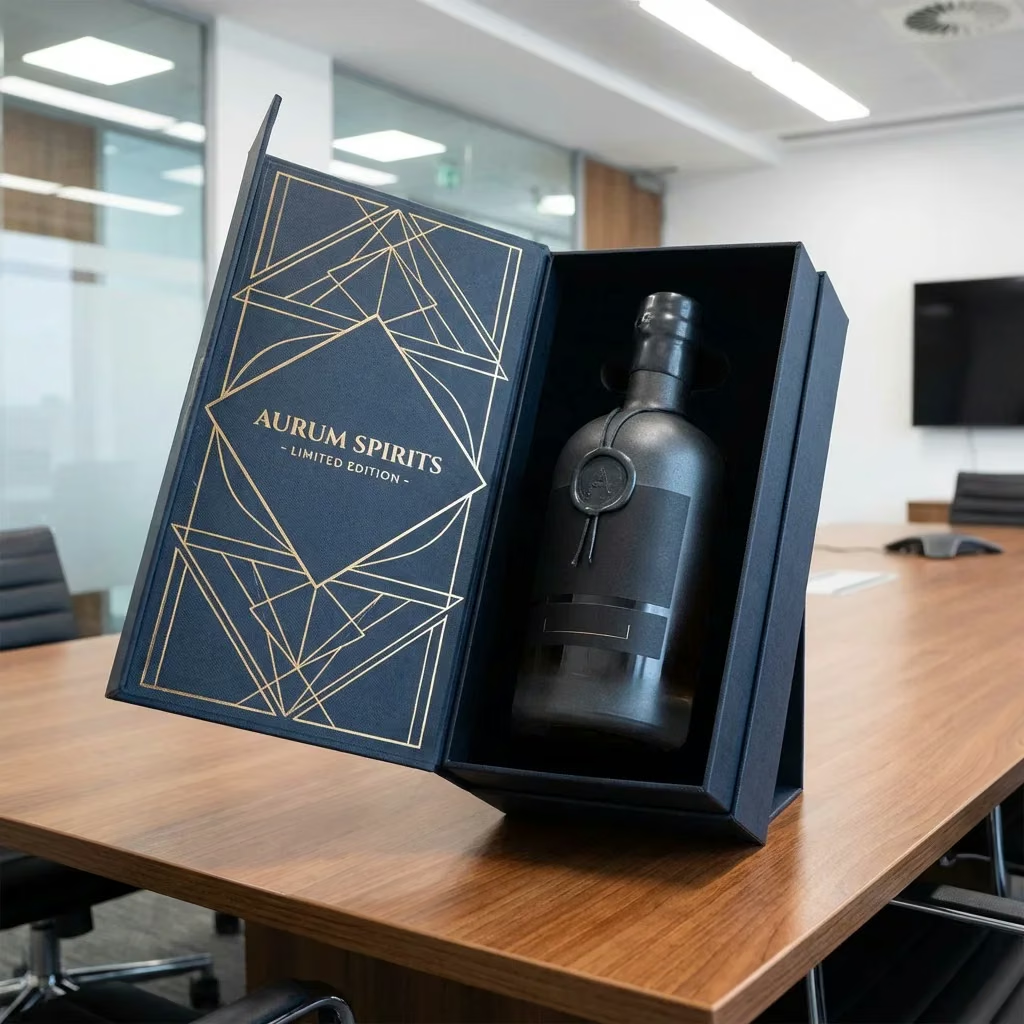
The insert locates the product within the base and determines the first view when the lid is removed. It should support the contents without pushing the base out of square.
Sample to production
Project timing is confirmed in the quote after the structure, materials, sample route, finishing, quantity, and destination are known.
Confirm product data, quantity, lid preference, reveal, insert, artwork, destination, and target date.
Develop lid, base, overlap, grip, fit allowance, insert height, and pack-out direction.
Check alignment, opening friction, separation, reveal, product access, material, and finish.
Use approved physical and documented criteria for production checks, packing, and shipment.
Review the complete custom rigid box family, then use the packaging sample approval checklist to document the accepted fit and finish.

Production QC
Acceptance criteria follow the approved sample and project specification. Structure is checked first because squareness and fit affect every later impression of color and finish.
Lid and base questions
Quote a lid and base box
Send the product size and weight, quantity, preferred lid depth, insert needs, destination, and any artwork or references. If the overlap is undecided, describe how the closed box should be handled and opened.