Choose profile by load and span
E-flute keeps compact packs slim with a refined print surface. B-flute adds depth for heavier contents, longer spans, or routes that need more cushioning.
Corrugated ecommerce packaging
Work with our Xiamen, China packaging team to plan flute, print, closure, product fit, flat-pack assembly, and parcel handling as one production system.
Specification before artwork
The right structure depends on what goes inside, how it is packed, where it travels, and what the customer should experience when it opens.
E-flute keeps compact packs slim with a refined print surface. B-flute adds depth for heavier contents, longer spans, or routes that need more cushioning.
Bold spot-color graphics, fine typography, photographic art, kraft stock, and interior print each point to a different print and liner strategy.
Roll-end locks, tuck fronts, seal strips, and tear-open features must work with the chosen board, finish, pack-out speed, and return plan.
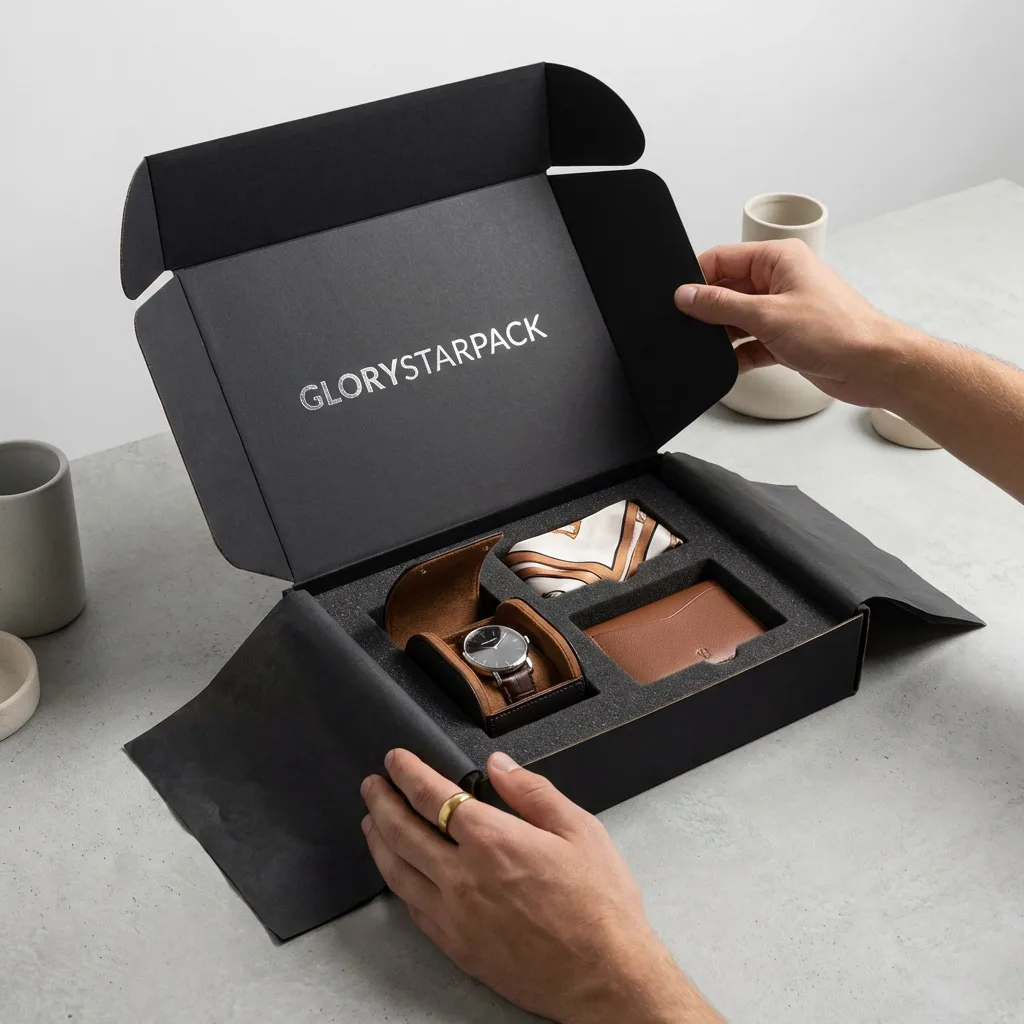
Start with the packed product. Internal dimensions, weight distribution, and movement control should be set before exterior dimensions and artwork are finalized. See the printed ecommerce mailer reference GS-5909249 for a visible example and the decisions the photograph cannot confirm.
Procurement guide
These are starting points, not automatic specifications. Packed weight, exact dimensions, artwork, and a physical sample determine the final construction.
Scroll horizontally to view all columns →
| Decision | Best considered for | Procurement check |
|---|---|---|
| E-flute | Compact DTC packs, fine folds, tighter storage, and a smoother face for detailed graphics. | Confirm the profile supports the packed weight and panel span without bowing or corner collapse. |
| B-flute | Heavier products, deeper mailers, stacking exposure, and routes where extra cushioning is useful. | Allow for thicker edges, a larger folded footprint, and changes to score and locking geometry. |
| Direct print | Clear logos, bold color fields, handling marks, and artwork suited to the board surface. | Review small type, screens, and color expectations on the actual liner—not only on a monitor. |
| Printed liner | Fine illustration, broader color range, photographic detail, or a more controlled retail surface. | Approve the laminated sample after scoring and folding because added layers affect creases and locks. |
| Inside print | Opening instructions, campaign messaging, cross-sell content, or a deliberate unboxing sequence. | Keep key copy away from folds, locking tabs, inserts, and areas hidden by the product. |
Transit engineering
A beautiful mailer still fails if the product can move, the lid opens under pressure, or corners collapse in a mixed courier network. The pack-out and route set the performance target.
Build the product-fit and parcel-test brief or compare outer shipping carton requirements.

Flat-pack economics
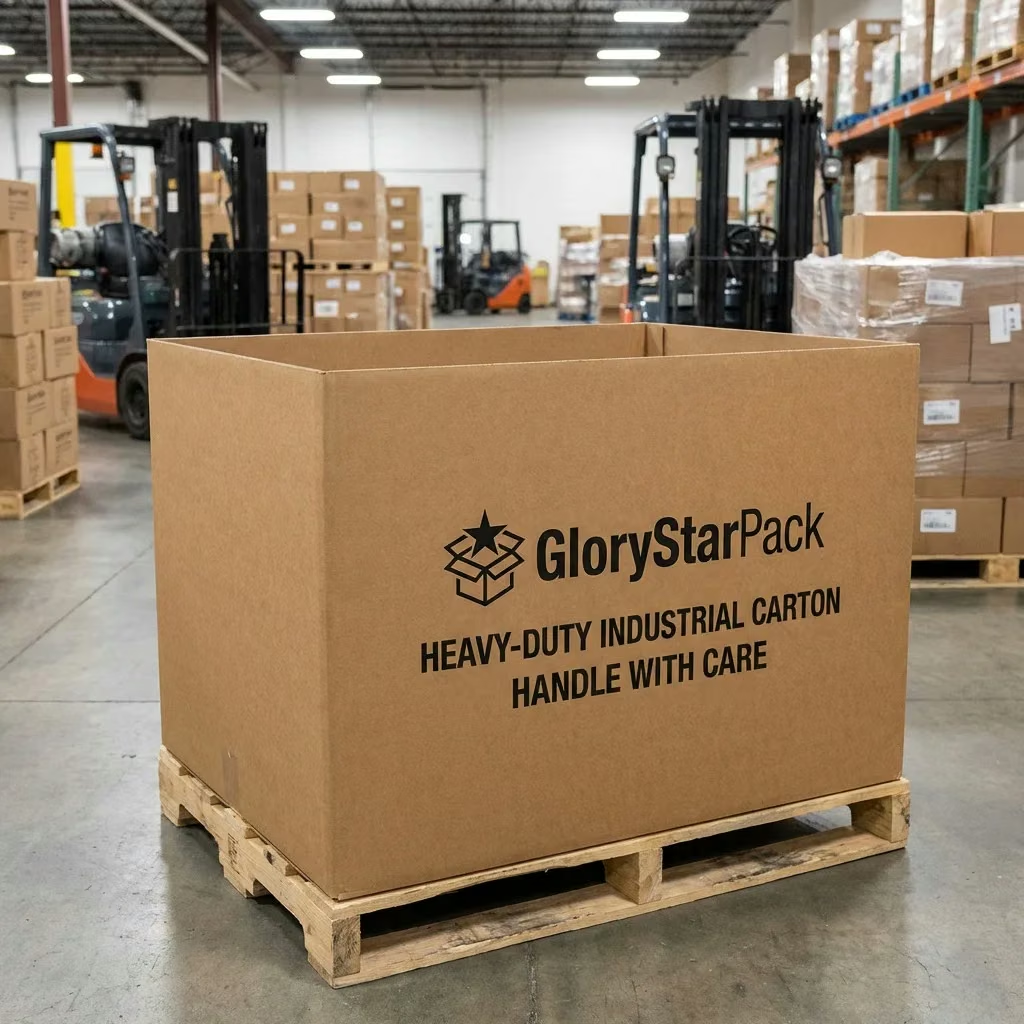
Roll-end mailers normally arrive flat, reducing empty-box storage and inbound volume. The useful saving comes only when staff can open, lock, fill, and close the box consistently.
Sample to production
Fit and folding come first. Print and finish are approved on the structure that will actually be packed and shipped.
Product size, packed weight, quantity, route, packing method, closure, artwork, and target date.
Check internal fit, locks, folding order, assembly effort, insert, and product movement.
Review color, registration, key copy, barcodes, finish, scores, and the open-box sequence.
Inspect dimensions, print, glue, scoring, locks, count, flat packing, and export carton protection.
Mailer box FAQ
Straight answers for buyers comparing structure, print, assembly, and parcel performance.
Buyer evidence pack
A logo on a website is not enough. For a material, compliance, or quality requirement, request the current document and verify that its scope applies to your order.
Company identity. GloryStarPack is operated by Xiamen GloryStar Packaging Co., Ltd. in Xiamen, Fujian, China. This site covers custom boxes, bags, inserts, and labels. Visit our specialist glass bottle and container packaging site. View our Alibaba company profile.
Approved photos, dimensions, finish location, and revision notes.
Named substrate, board, adhesive, laminate, or requested certificate copy.
Agreed photos or video from printing, finishing, assembly, and inspection.
Carton count, marks, packing photos, gross dimensions, and delivery term.
Use the packaging sample approval checklist to record fit, color, finishing, pack-out, revisions, and the exact reference that will govern production.
For first production through shipment release, use the packaging quality inspection checklist and record planner to control lots, defects, carton data, corrective action, reinspection, and authority.
Quote a custom mailer
Send the product size, packed weight, quantity, destination, and reference artwork. Kevin will reply with the structural questions needed for a useful quote.