Clean white presentation
Solid bleached paperboard is often considered when a bright surface, fine graphics, and controlled brand color matter. Coating, reverse side, caliper, and end-use suitability must be named in the specification.

Printed paperboard packaging
Specify paperboard, caliper, crease, closure, print, finish, flat delivery, erection, and filling as one repeatable production system.
Paperboard selection
SBS, FBB, and kraft describe broad material families. Print face, reverse shade, stiffness, caliper, coating, fiber content, and availability depend on the exact sourced grade.
Solid bleached paperboard is often considered when a bright surface, fine graphics, and controlled brand color matter. Coating, reverse side, caliper, and end-use suitability must be named in the specification.
Folding box board uses a multilayer construction and may be evaluated when stiffness, yield, and print surface need balance. Grade structure, shade, availability, and crease response vary by mill.
Brown, white-top, coated, or other kraft grades can support a natural material story. Ink appearance, white opacity, recycled content, barrier, and surface smoothness depend on the actual available stock.
Availability rule: do not approve a carton from “SBS,” “FBB,” or “kraft” alone. Record the proposed grade, caliper, coating, shade, and any required material documentation in the quotation and sample approval. Use the paper thickness and GSM guide to translate pt, mm, and microns without inventing a GSM-to-caliper conversion.
End and base construction
Opening behavior, bottom load, tamper plan, manual touch time, and equipment determine which construction is practical.
Scroll horizontally to view all columns →
| Construction | Use it to solve | Approval checks |
|---|---|---|
| Straight tuck end | Top and bottom tuck closures arranged in the same direction for a familiar retail carton opening. | Panel presentation, tuck depth, dust flaps, reclosure, product loading, and seam position. |
| Reverse tuck end | Opposing tuck directions where the layout, opening sequence, and conversion efficiency suit the product. | Which face opens first, glue-joint position, equipment orientation, and visible panel continuity. |
| Auto-lock bottom | A pre-glued base that opens into position during erection to reduce manual bottom folding. | Filled load, base depth, glue pattern, board memory, squareness, and compatibility with packing speed. |
| Snap-lock bottom | Interlocking bottom flaps for manual pack-out where extra base retention is useful. | Assembly order, operator access, tab damage, bottom flatness, and product pressure on the locks. |
| Seal-end carton | End panels closed with adhesive after filling for configured production lines and controlled closure. | Machine drawing, glue zones, compression time, product loading direction, and opening evidence. |
Applied folding-carton references. Review essential-oil cartons GS-6445340, perfume carton GS-1294765, chocolate-bar secondary carton GS-6842703, tea carton GS-5878715, and candle carton GS-3423123. The sushi takeaway box GS-0659772 is a feasibility reference only; direct-contact surfaces, window film, grease, moisture, temperature, shelf time, and destination rules require separate qualification.
Caliper and crease
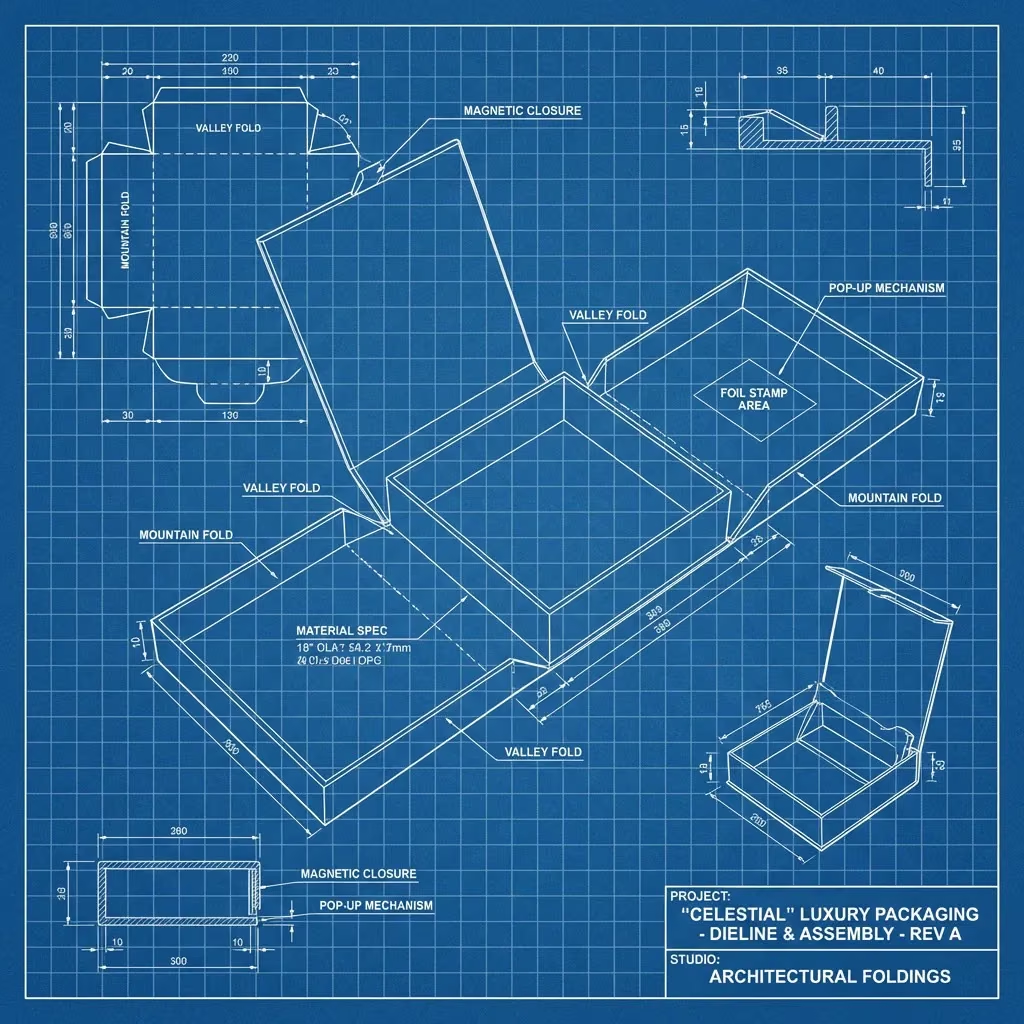
Caliper, stiffness, grain direction, score width, score depth, crease matrix, coating, lamination, and moisture behavior interact. The construction should fold square without split ink, cracked fibers, spring-open panels, or distorted closures.
Flat shipping and pack-out
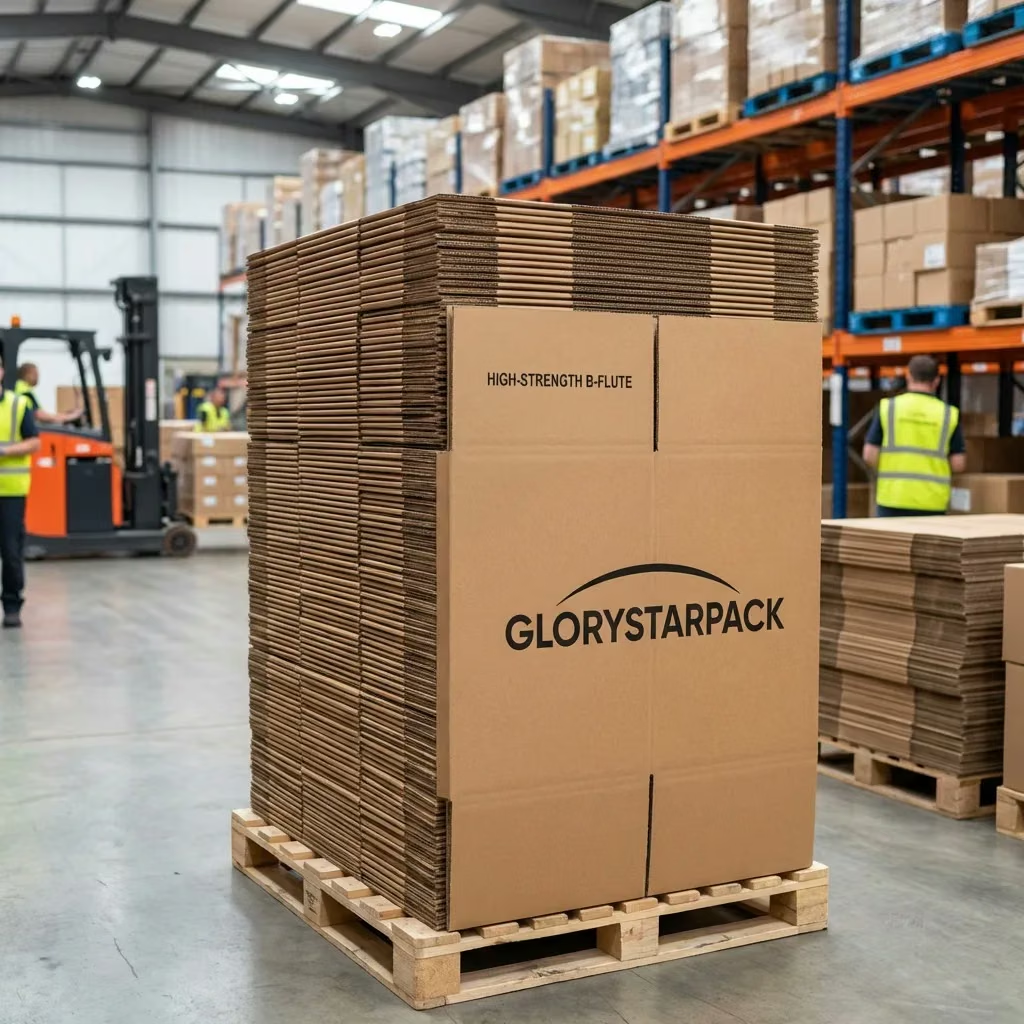
Most folding cartons arrive side-seam glued and collapsed flat. Storage efficiency matters, but so do bundle orientation, erection force, operator movement, line stops, leaflet loading, coding, closure, and case packing.
When a presentation box is also being considered, use the rigid box vs folding carton comparison to include inserts, labor, supply volume, freight, and testing in the decision.
Print and finish
Stock shade and coating change ink, foil, gloss, texture, rub behavior, and folding. Availability and process are confirmed for the quoted project.

Define area, edge detail, register, and fold clearance

Balance relief, reverse impression, caliper, and crease position

Review scuff, glue, fingerprint, fold, and separation effects
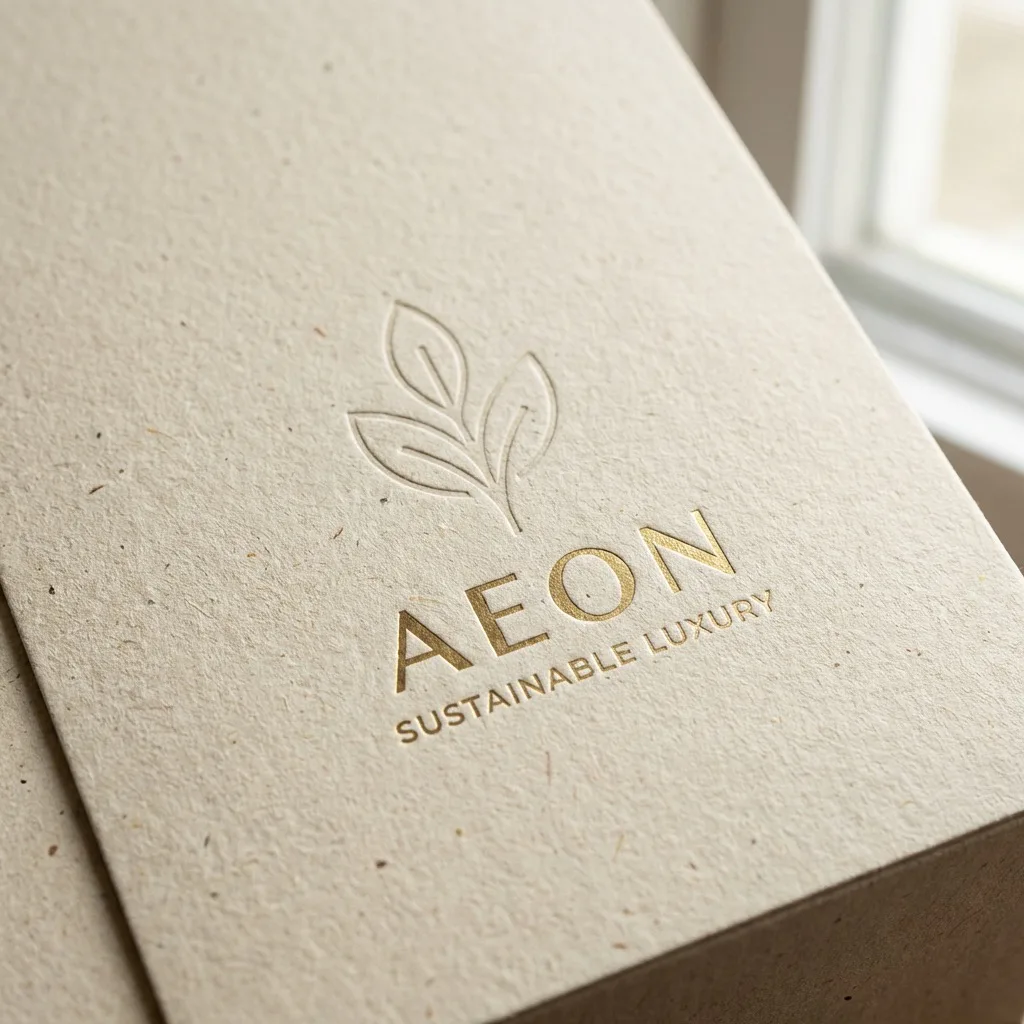
Expect stock character to influence color and fine detail
Sample to production
The sample route and schedule depend on construction, board availability, print, finish, quantity, revisions, and delivery requirements.
Confirm product size and weight, quantity, closure, board direction, artwork, pack-out, and destination.
Check fit, crease, squareness, erection, loading, tuck or base lock, removal, and case packing.
Review stock, color target, copy, barcode, finish, registration, fold cracking, rub, and glue zones.
Inspect dimensions, score, seam, closure, print, finish, count, bundle direction, and outer cartons.
Carton QC brief
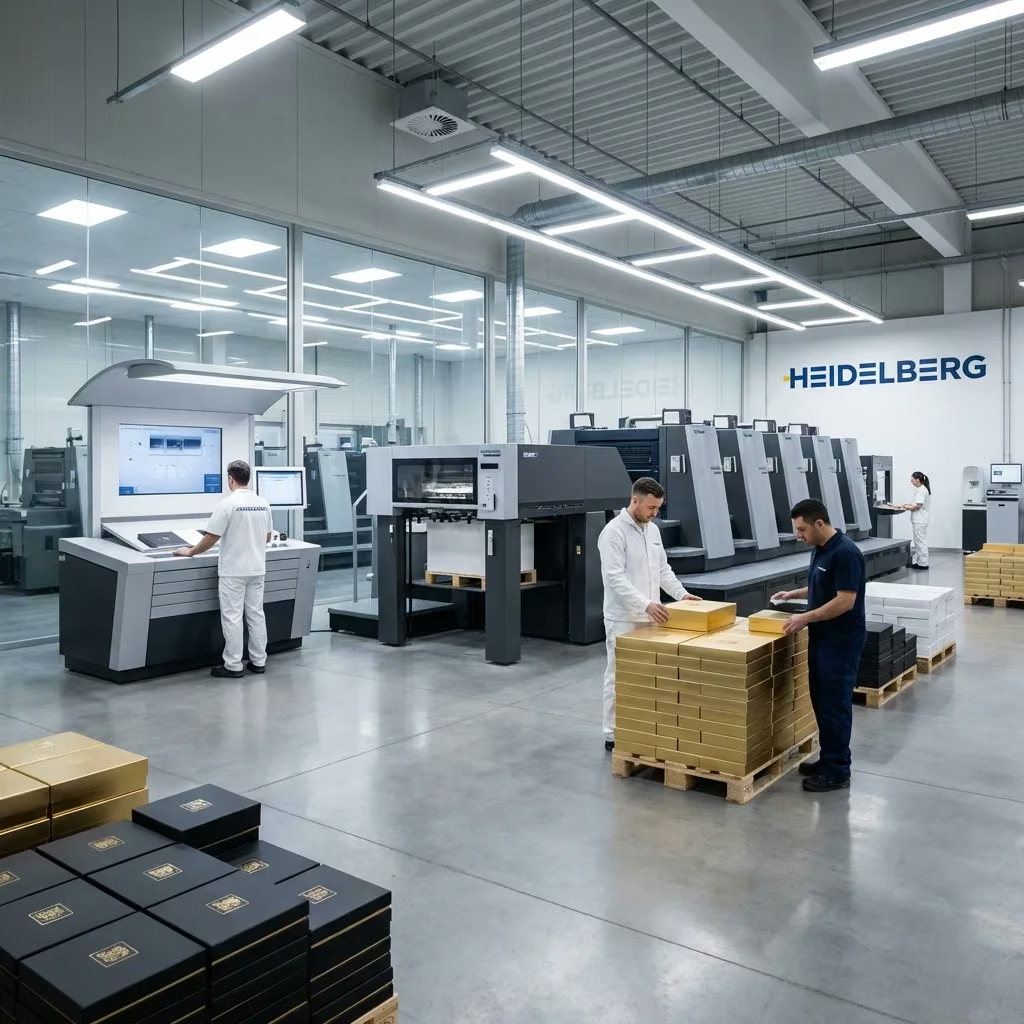
Acceptable limits depend on the approved material and construction. The project specification should identify what is measured, how it is compared, and which reference governs production.
Folding carton questions
Buyer evidence pack
A logo on a website is not enough. For a material, compliance, or quality requirement, request the current document and verify that its scope applies to your order.
Company identity. GloryStarPack is operated by Xiamen GloryStar Packaging Co., Ltd. in Xiamen, Fujian, China. This site covers custom boxes, bags, inserts, and labels. Visit our specialist glass bottle and container packaging site. View our Alibaba company profile.
Approved photos, dimensions, finish location, and revision notes.
Named substrate, board, adhesive, laminate, or requested certificate copy.
Agreed photos or video from printing, finishing, assembly, and inspection.
Carton count, marks, packing photos, gross dimensions, and delivery term.
Use the packaging sample approval checklist to record fit, color, finishing, pack-out, revisions, and the exact reference that will govern production.
For first production through shipment release, use the packaging quality inspection checklist and record planner to control lots, defects, carton data, corrective action, reinspection, and authority.
Quote a custom folding carton
Send product size and weight, quantity, closure direction, board or appearance, artwork, pack-out method, destination, and target date. The reply will identify the structural inputs still needed.