Rigid lid-and-base or book style
A custom rigid box can present one or two bottles with broad insert access. Define lid depth or hinge clearance, lifting grip, loaded base stiffness, insert seating, and where the open lid rests.
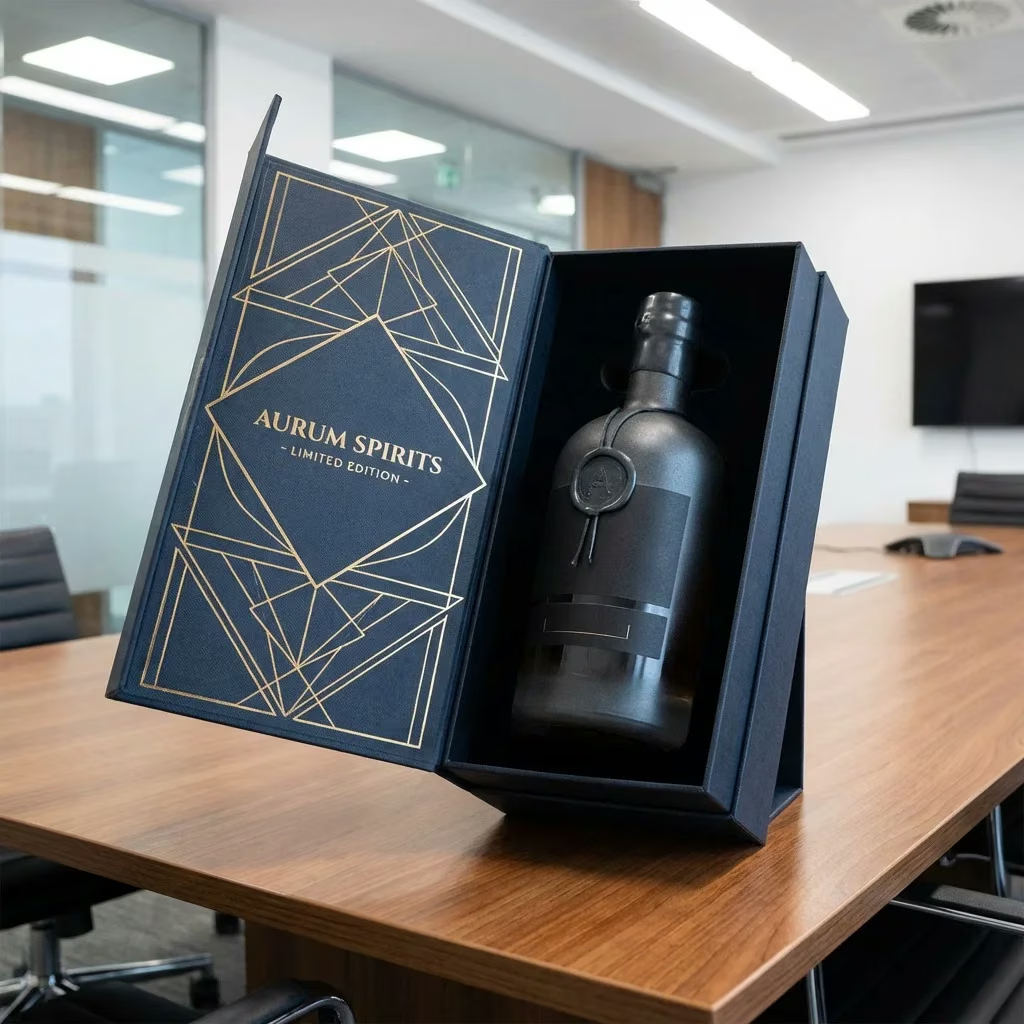
Bottle-first presentation packaging
Develop single- and double-bottle presentation boxes around real bottle dimensions, loaded weight, bottom support, shoulder and neck location, clean removal, and the complete outer pack.
Controlled bottle envelope
Nominal capacity does not define the package. Bottle height, diameter, shoulder, neck, closure, glass features, label, and filled mass all affect the internal structure.
Scroll horizontally to view all columns →
| Input | What to record | Packaging decision |
|---|---|---|
| Maximum envelope | Overall height, body diameter, shoulder transition, neck diameter, closure height and diameter, base profile, and known bottle variation. | Inside clearance, cavity geometry, lid depth, divider position, and whether one structure can cover the stated SKU range. |
| Loaded weight | Filled bottle weight, bottle count, accessories, documentation, and any separate components packed in the same unit. | Bottom panel, base support, insert construction, lifting behavior, closure demand, and master-carton gross weight. |
| Contact map | Glass features, label edges, foil capsule, closure, decorated areas, visible faces, and surfaces that should not be rubbed or compressed. | Permitted support zones, insert coverage, clearance, lining, seam location, and removal grip. |
| Use sequence | Upright or horizontal presentation, shelf and gifting context, opening direction, one- or two-hand removal, and accessory order. | Box format, bottle orientation, finger access, lift ribbon or tray, reveal, and return-to-box behavior. |
Sampling input: provide a production-equivalent filled bottle where practical, or a controlled model plus the actual loaded weight. Empty display samples can miss how the bottom, insert, closure, and lifting experience behave under load.
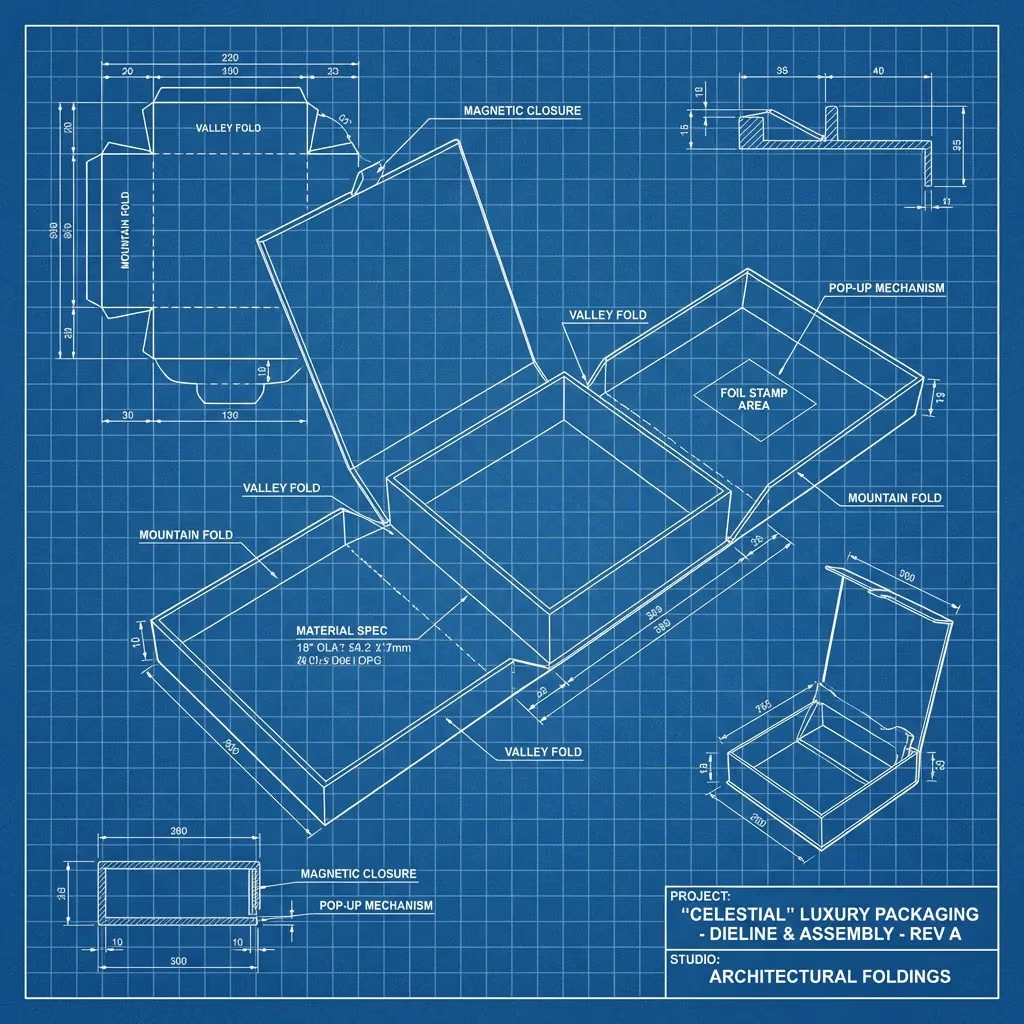
Support from bottom to neck
The glass base and approved body zones should define the load path. Shoulder and neck features can help locate the bottle, but they should not become unreviewed pressure points or carry the filled mass by themselves.
For detailed cavity and material planning, review our custom packaging inserts.
Presentation structure routes
The outside silhouette comes after the bottle, load path, removal sequence, shelf context, and outer shipping plan. Each route needs its own loaded sample.
A custom rigid box can present one or two bottles with broad insert access. Define lid depth or hinge clearance, lifting grip, loaded base stiffness, insert seating, and where the open lid rests.
A custom magnetic box adds a book-style opening and closing action. Check closure alignment and effort under load, bottle and accessory clearance, magnet placement, and the condition of the wrap after repeated handling.
Custom paper tube packaging can follow a single bottle's round profile. Specify the usable inside diameter, wall and end construction, base load, cap fit, bottle access, anti-rotation needs, and outer-carton orientation.
Single and double bottle layouts
A double-bottle gift set is not one enlarged opening. Each position needs defined weight support, glass separation, top clearance, identification, and an independent removal path.
Surface and condensation brief
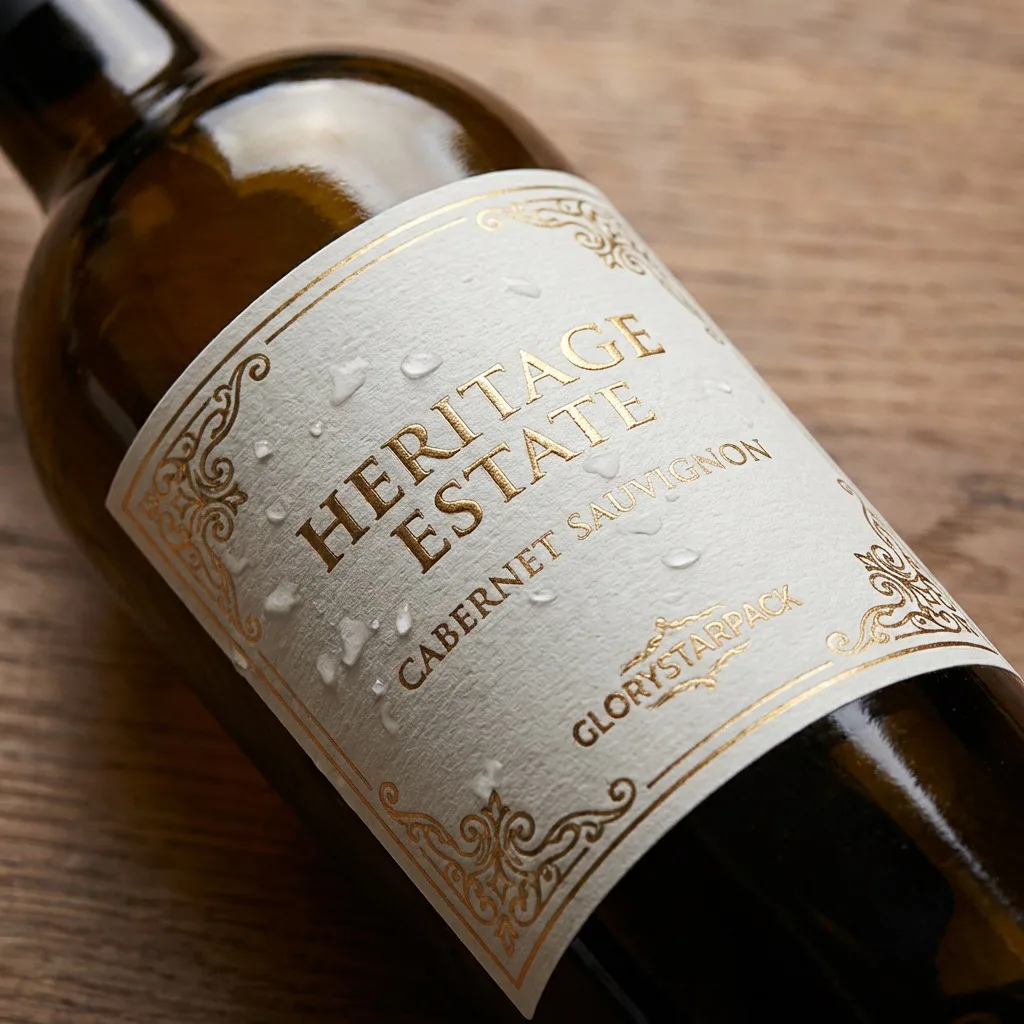
If a chilled bottle may be placed back into the box, document the temperature context, likely condensation, contact time, storage orientation, and which paper, lining, print, foil, label, or adhesive areas could become damp.
The bottle label is a separate specification. Coordinate dimensions and appearance through our custom wine labels page without assuming the box solves label adhesion or wet-contact requirements.
Sample, QC, and pack-out
The sampling route, inspection criteria, and pack-out are set after bottle data, construction, materials, quantities, artwork, destination, and handling needs are known.
Record maximum dimensions, loaded weight, variation, contact zones, label and closure position, bottle count, orientation, artwork, quantity, and destination.
Check base support, shoulder and neck location, top clearance, insert seating, removal, lid or hinge action, accessories, surfaces, and reopening.
Approve drawings, materials, color, finish placement, loaded fit, workmanship limits, carton count, orientation, labels, and inspection points.
Confirm unit protection, dividers, loaded orientation, mixed-SKU rules, gross weight, carton dimensions, labeling, and the agreed route-specific review.
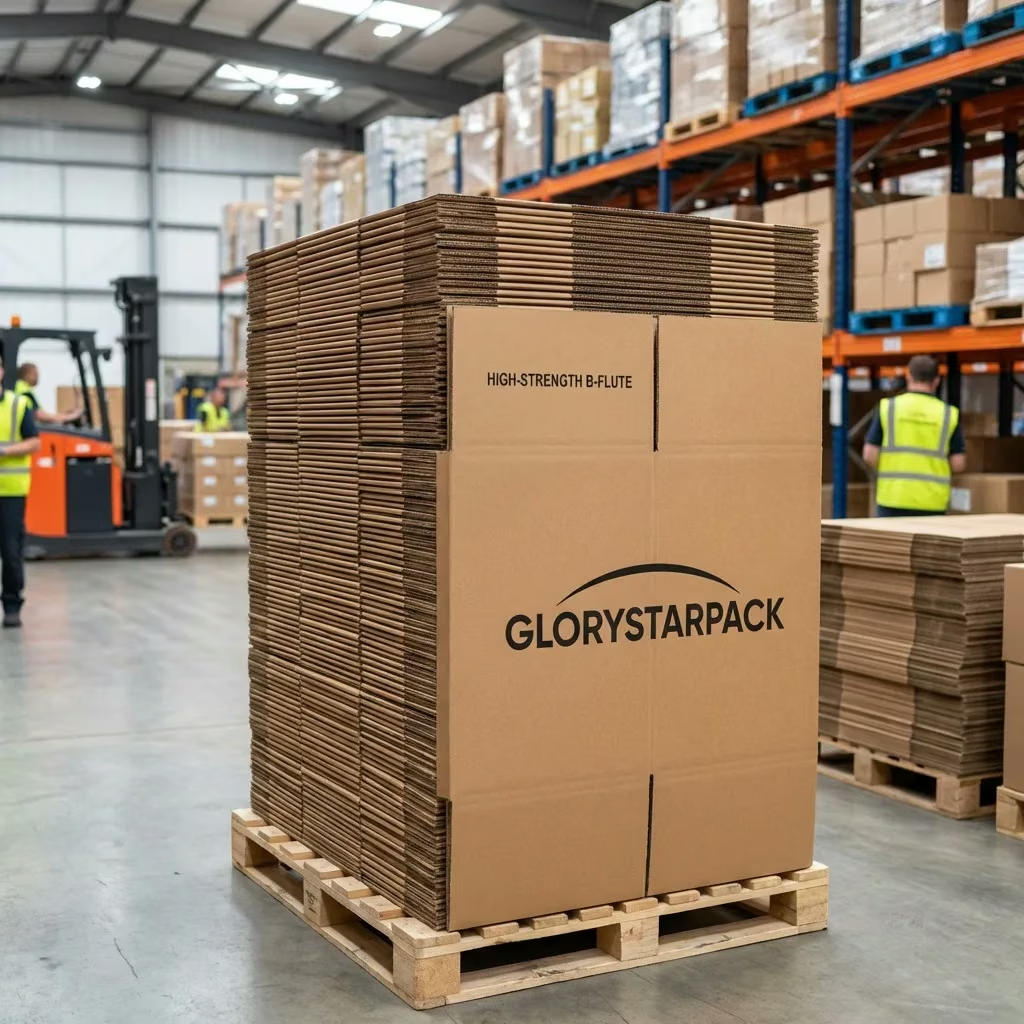
Gift box plus shipping case
A premium bottle box is normally specified as the unit presentation pack. The corrugated shipping box, dividers, cushioning, loading pattern, and pallet plan should be developed around the complete loaded unit.
Buyer questions
Final structure, material, support, sample, inspection, and shipping recommendations depend on the actual filled bottle, quantities, destination, and handling route.
Buyer evidence pack
A logo on a website is not enough. For a material, compliance, or quality requirement, request the current document and verify that its scope applies to your order.
Company identity. GloryStarPack is operated by Xiamen GloryStar Packaging Co., Ltd. in Xiamen, Fujian, China. This site covers custom boxes, bags, inserts, and labels. Visit our specialist glass bottle and container packaging site. View our Alibaba company profile.
Approved photos, dimensions, finish location, and revision notes.
Named substrate, board, adhesive, laminate, or requested certificate copy.
Agreed photos or video from printing, finishing, assembly, and inspection.
Carton count, marks, packing photos, gross dimensions, and delivery term.
Use the packaging sample approval checklist to record fit, color, finishing, pack-out, revisions, and the exact reference that will govern production.
For first production through shipment release, use the packaging quality inspection checklist and record planner to control lots, defects, carton data, corrective action, reinspection, and authority.
Quote custom wine boxes
Send bottle data, quantity by SKU, single- or double-bottle layout, preferred opening, insert and finish direction, artwork, destination, target date, and outer-carton needs. We will use the brief to identify the structural and approval questions.