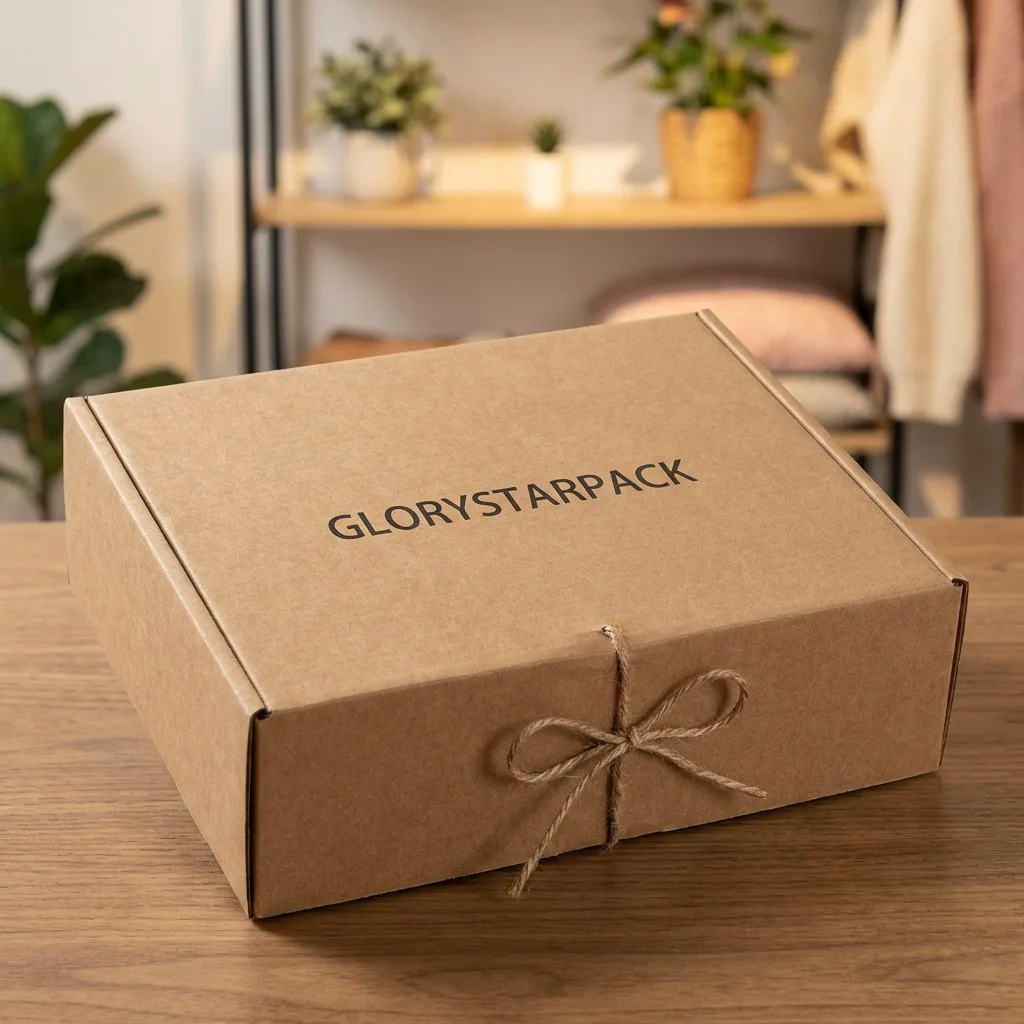
Short answer
Use the lowest-risk packaging system—not the lowest advertised MOQ.
A very small custom run can carry a high unit cost. A larger run can reduce the quoted unit price but lock cash into packaging that may become obsolete before it is used. The better first decision is to match the degree of customization to how certain you are about the product, dimensions, artwork, sales rate, channel, and reorder plan.
For an early launch, that may mean a proven stock shipper with one or two custom brand components. When the order pattern becomes stable, a stock-size printed format or a shared custom insert can remove packing labor and improve consistency. A fully custom structure becomes easier to justify when it solves a measured fit, protection, fulfillment, shipping, retail, or brand problem.
If you already have baseline and proposed landed costs, the custom packaging ROI guide and break-even calculator can turn that cost difference into a required-order threshold.
Low MOQ is not a specification. Ask what structure, material, print route, finishing, assembly, packing, and delivery scope make that minimum possible—and what changes at the next production quantity.
What founders keep asking
Reddit discussions point to one repeated problem.
Founders want packaging that looks intentional without buying months of unproven inventory. The useful signal is the repeated decision pattern, not any single supplier recommendation or claimed price.
- Demand is still uncertainA 2026 r/smallbusiness discussion asks how new brands can avoid committing to a large custom run before knowing sales. Replies repeatedly suggest plain mailers with labels, stamps, tape, or inserts as a test stage. Read the discussion.
- Customization raises commitmentAnother recent thread asks how small product brands handle custom packaging when supplier minimums exceed the launch volume. The central tradeoff is customization against cash runway and product validation. Read the discussion.
- Premium does not always mean complexA July 2026 thread asks for high-end, low-volume presentation packaging and emphasizes simple execution and material quality. This is a reminder to define the premium signal before specifying multiple finishes. Read the discussion.
- Small runs need a different routeA longstanding r/ecommerce question about testing custom packaging at very small volume shows the same problem predates the current wave of posts: buyers need a staged route, not a promise that every custom construction has a tiny minimum. Read the discussion.
Reddit posts are useful voice-of-customer evidence, not production specifications. Verify every material, quantity, price, test, and delivery assumption for the actual project.
Four buying stages
Add customization as the business earns certainty.
The stages are not status levels. A simple packaging system can remain the right answer if it protects the product, packs efficiently, arrives consistently, and fits the brand.
Scroll horizontally to view all columns →
| Stage | Typical system | Useful when | Control before launch | Upgrade signal |
|---|---|---|---|---|
| 1 · Stock + brand layer | Suitable stock box, mailer, bag, or envelope with a custom label, tissue, card, tape, stamp, or sleeve. | Product, demand, artwork, or channel is still changing. | Product protection, size, label adhesion, color consistency, packing time, and shipping cost. | Repeat orders expose excess labor, poor fit, damage, or inconsistent presentation. |
| 2 · Stock-size custom print | A standard manufacturing size with controlled custom print and limited finishing. | The size works, artwork is stable, and repeat demand supports a production run. | Print process, ink coverage, color target, board, closure, dieline, sample, and version count. | The standard size wastes space, requires too much fill, or cannot support the required opening sequence. |
| 3 · Modular custom system | Shared outer pack with custom insert, sleeve, label, card, or tissue changed by product or campaign. | Several SKUs need one efficient platform with controlled variation. | Shared cavity, insert fit, component compatibility, artwork ownership, pack-out, and SKU identification. | A stable hero SKU justifies a dedicated structure or fulfillment route. |
| 4 · Fully custom pack | Purpose-designed dimensions, structure, print, finish, insert, packing method, and export carton. | Fit, protection, labor, shipping, retail, or brand experience has measurable value. | Representative sample, approved specification, production tolerance, inspection, transit, packing, and landed cost. | Continue optimizing from measured damage, labor, cube, conversion, returns, or repeat-order data. |
Stage 1
Make stock packaging look designed—not improvised.
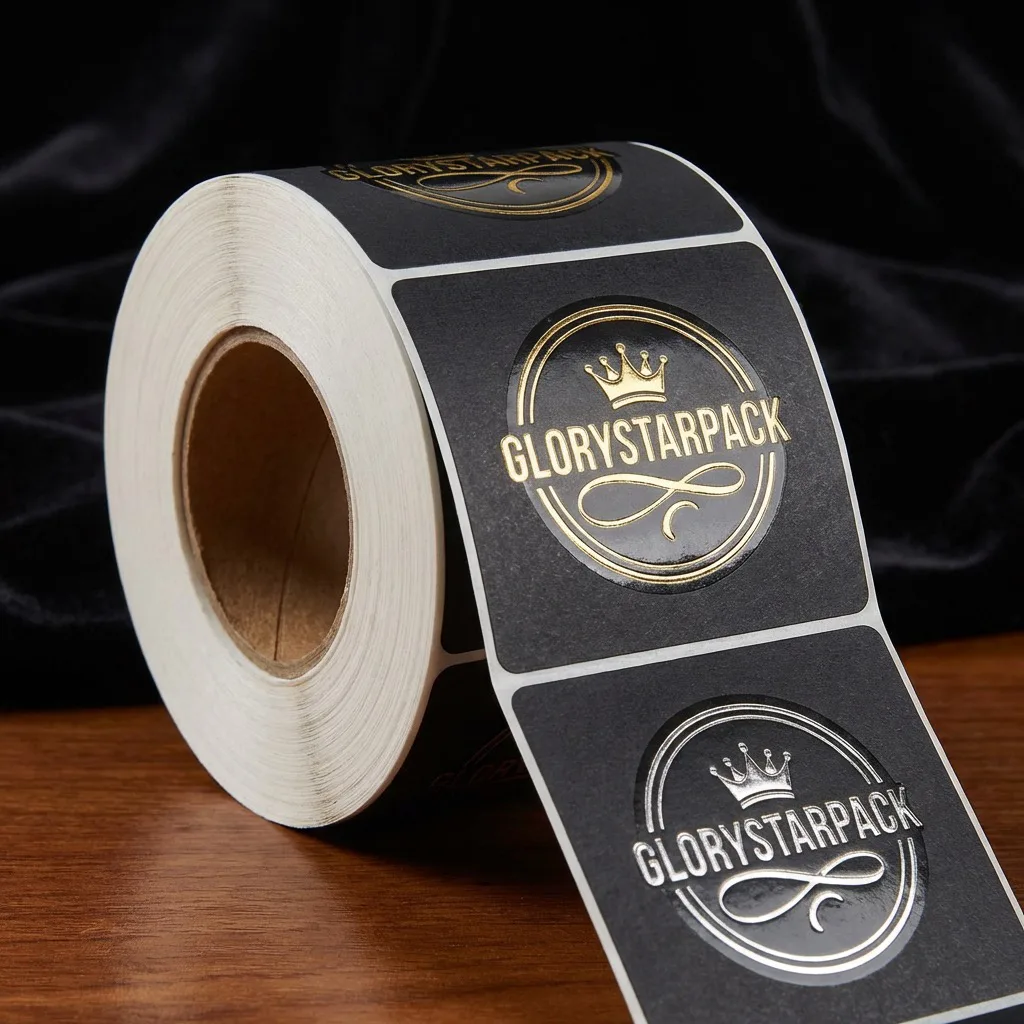
Start with a shipping or retail format that fits and protects the product. Then assign each branded component one job. A label can close or identify the pack, tissue can control reveal and surface contact, a card can carry instructions, and an insert can locate the product.
- Choose one repeatable placement for every label, card, seal, and tissue fold
- Limit colors and type styles to the real brand system
- Keep shipping labels, barcodes, closures, seams, and opening cuts clear
- Time the full pack-out and record the component count
- Test adhesion, rubbing, movement, closure, and parcel handling with the packed product
GloryStarPack can coordinate custom labels, printed tissue, cards and tags, and packaging inserts around one visual and packing brief.
Decision gates
Upgrade when several signals agree.
One attractive rendering is not a reason to buy a production run. Look for operational and commercial evidence.
- Demand confidenceOrders repeat often enough to estimate how quickly one packaging run will be consumed, including seasonality, launch spikes, returns, samples, and damaged stock.
- Product stabilityThe product dimensions, accessories, legal copy, barcode, artwork, bundle configuration, and sales channel are unlikely to change before the packaging is used.
- Protection evidenceThe current pack creates repeatable movement, scuffing, breakage, leakage, crushing, or closure failures that a designed structure can address.
- Fulfillment evidenceManual decorating, folding, filling, taping, labeling, or checking consumes enough time or creates enough variation to justify integration.
- Shipping evidenceA better-fit outside cube can reduce void fill, master-carton volume, storage, or carrier measurement without compromising protection.
- Brand evidenceThe product price, gifting context, retail display, subscription sequence, or customer content makes the packaging experience commercially relevant.
MOQ levers
Change the route before asking a factory to ignore its process.
A supplier may be able to quote a smaller run when the specification removes a setup, material, converting, or version constraint. Every alternative still needs a physical sample and stated limitations.
Use an established production size
Fit the product into a suitable existing format where possible. Confirm internal fit, outside cube, insert space, label panel, and carrier or warehouse limits rather than choosing by appearance alone.
Compare the complete print route
Digital, offset, flexographic, screen, foil, and other processes carry different setup and material requirements. Ask which route supports the exact substrate, coverage, color, finish, quantity, and tolerance.
Share the structure, vary the information layer
Use one outer pack across related SKUs when fit and protection allow, then vary labels, cards, sleeves, or inserts. Confirm whether quantities can be combined at each production step.
Protect the one premium signal that matters
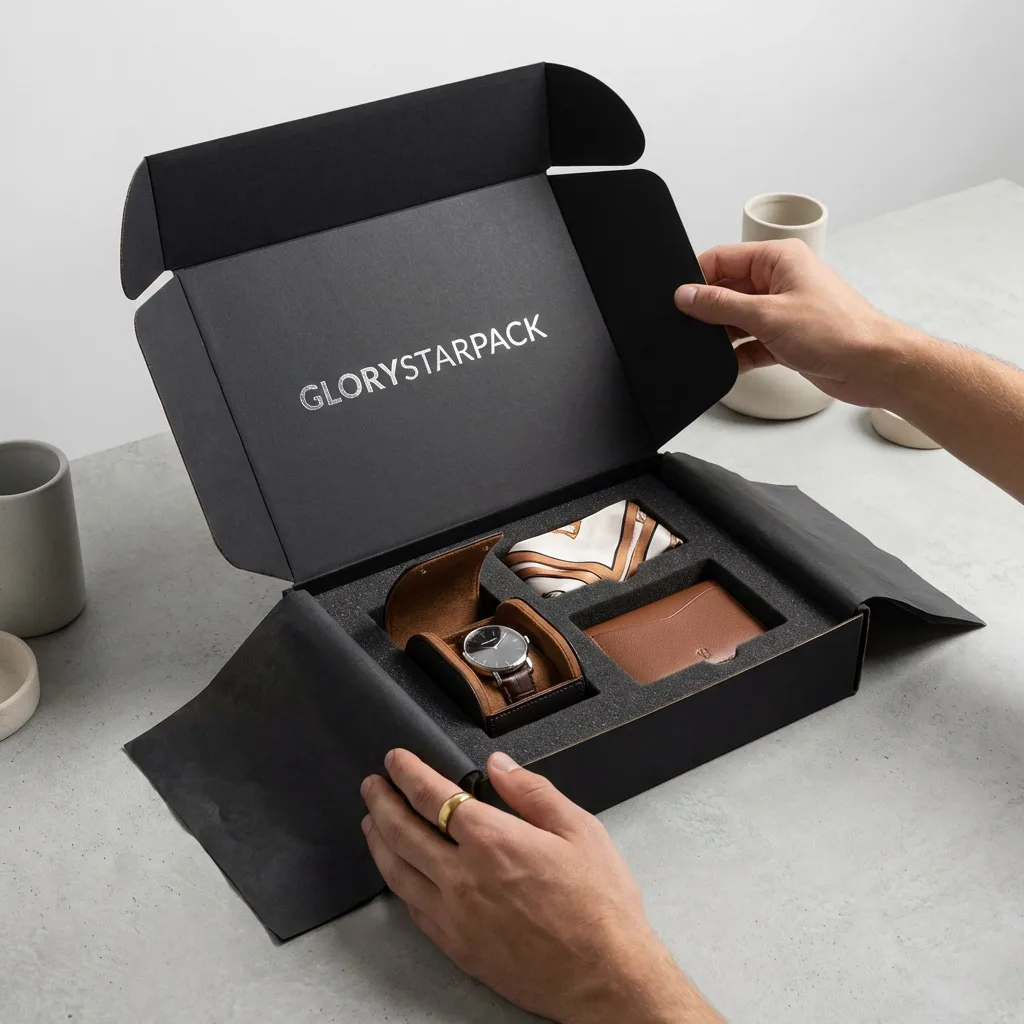
One controlled paper, color, foil mark, embossed detail, or opening action can be stronger than several expensive processes. Sample the chosen hierarchy on the real material.
The custom packaging cost and MOQ guide explains how tooling, versions, material yield, finishing, assembly, packing, and delivery shape the quoted minimum. For a lighter branded component, use the custom tissue paper quantity and print guide.
Cost per usable order
Compare cash, labor, freight, damage, and leftovers together.
A headline unit price excludes the reasons many early packaging decisions become expensive. Build a simple model around units you expect to use before the design, product, or regulation changes.
- one-time design, dieline, sample, tooling, plate, and setup charges;
- packaging units plus labels, tissue, cards, inserts, fill, tape, and export packing;
- freight, duty, tax, brokerage, destination handling, and local delivery as applicable;
- receiving, storage, assembly, decorating, pack-out, inspection, and rework labor;
- expected rejects, transit damage, returns, lost components, obsolete artwork, and unused inventory.
Use the same destination and time period. A local stock pack, an imported short run, and a larger factory order cannot be compared fairly without the same landed boundary and expected usage window.
Shipping and storage
A low-MOQ box can still be the wrong size.
Shopify's current guidance notes that most carriers charge by package size and weight, so keeping the package appropriately small matters. The lowest initial packaging bill can be offset by repeated shipping or storage inefficiency.
Measure the packed product
Include orientation, accessories, protection, product variation, insert, documents, and closure. Record both internal and external dimensions.
Map the actual journey
Identify parcel, pallet, retail, warehouse, subscription, or customer pickup handling plus climate and storage exposure.
Test the complete system
Use representative product and components. Define product, package, closure, print, label, and presentation acceptance before testing.
Approve one controlled revision
Freeze the dieline, artwork, material, construction, fit, packing method, carton data, and approved sample before production.
Use the mailer sizing and transit-test guide for parcel shipments and the sample approval checklist before a production run.
Avoidable mistakes
Protect runway from packaging that cannot be used.
The most expensive pack is often not the pack with the highest quote. It is the pack that becomes obsolete, fails in transit, slows fulfillment, or cannot support the actual product.
Scroll horizontally to view all columns →
| Mistake | Why it happens | Better control |
|---|---|---|
| Buying from a rendering | The image proves appearance but not fit, material, closure, print, packing, or transit performance. | Approve the correct sample type with the real product and a written specification. |
| Too many launch SKUs | Each artwork, size, color, insert, or finish version can divide the volume and add setup or stock. | Define one shared system and vary only the component that needs to change. |
| Ignoring packing labor | A cheap blank pack may require repeated stamping, wrapping, filling, taping, and checking. | Time a representative batch and include labor, error, and workstation space in the comparison. |
| Ignoring outside cube | The package is chosen around visual impact without measuring closed dimensions or master-carton use. | Record finished external size, packed weight, carton count, pallet plan, and carrier rules. |
| Printing unstable copy | Ingredients, compliance text, barcode, product claims, address, or design is still changing. | Keep changing information on a label, card, or sleeve until the content is controlled. |
| Believing an unsupported claim | “Eco-friendly,” “luxury,” “waterproof,” or “food safe” is treated as a material specification. | State the exact component, performance, test, certificate scope, destination, and evidence required. |
Artwork and approval
Design for the stage you can repeat.
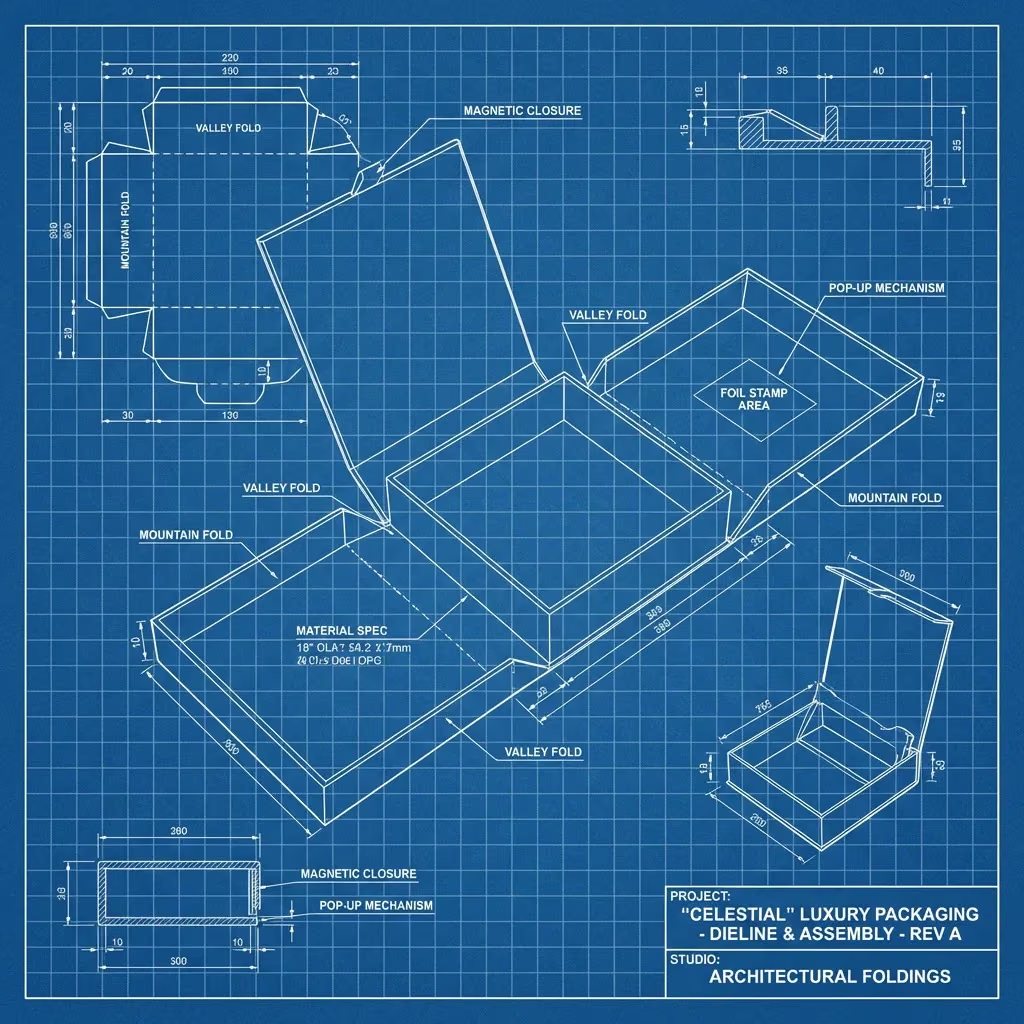
Separate structural decisions from brand artwork and changing information. Confirm who owns the dieline, which file is production-ready, what the color reference is, where barcodes and labels sit, and how obsolete versions are removed.
- Approve copy and regulatory review before releasing final artwork
- Keep bleed, safe area, folds, seams, glue, closures, and label panels visible on the dieline
- Identify spot colors, process color, white ink, foil, coating, and material assumptions
- Record the approved artwork filename, revision, date, sample, and approver
- Retain production and repeat-run references under controlled storage
RFQ checklist
Ask for two routes instead of one vague low-MOQ price.
Request the smallest technically workable route and the next efficient production route. That gives you a real decision between initial cash exposure, unit economics, capability, and repeat demand.
- product dimensions, maximum variation, packed weight, orientation, fragility, surface, leakage, temperature, and representative samples;
- target packaging format, internal or external size, stock-size flexibility, opening sequence, closure, insert, and return-use need;
- material or performance requirements, print coverage, colors, finish, artwork files, barcode, changing copy, and quantity by version;
- first order quantity, honest repeat forecast, preferred reorder interval, storage limit, and acceptable component-sharing options;
- packing method, unit protection, units per export carton, carton limits, pallet needs, shipping marks, destination, trade term, and required date;
- sample type, tooling, setup, inspection, production tolerance, packing, freight, exclusions, quotation validity, and what changes at the next quantity.
Send GloryStarPack the product size and weight, destination, packaging type, first quantity, repeat forecast, artwork versions, and examples you like. We can compare a staged brand-component route with a fully custom box or label specification where technically appropriate.
Research and official guidance
Use community questions to find the problem, then verify the solution.
Reddit threads reveal repeated buyer concerns, but supplier claims and individual prices are not universal evidence. Current platform and carrier guidance helps define the operational boundary.
- Reddit small-business communitiesRecent discussions repeatedly ask how to brand low-volume packs without committing to uncertain inventory. Reddit's own small-business learning hub identifies r/smallbusiness, r/Entrepreneur, and r/startups as places to listen to recurring operating questions. Review Reddit's community overview.
- Shopify packaging design guidanceShopify describes labels as a way to upgrade plain packaging during testing or small batches and cautions that oversized custom packaging can affect shipping economics. Read the current Shopify guide.
- Shopify package and weight guidanceShopify notes that most carriers charge by size and weight and advises keeping the package appropriately small. Review the official help page.
Low-MOQ packaging FAQ
Questions small brands should settle before ordering.
Use these answers to define the route before comparing suppliers or approving a design.